 Activities & Play
 Behaviour
 Childcare
 Children's rights
 Development & Growing Up
 Family, Friends & Relationships
 Feeding Your Baby
 Food & Eating
 Health & Safety
 Mental Health & Wellbeing
 Money & Work
 Online Behaviour & Safety
 Pregnancy & First Days
 School & Education
 Sleep
Sleep


Jump to a section in this article

Whether you’re walking, wheeling, scooting, driving or catching the bus, we’ve got tips for staying safe on the journey to and from school – and having fun too!
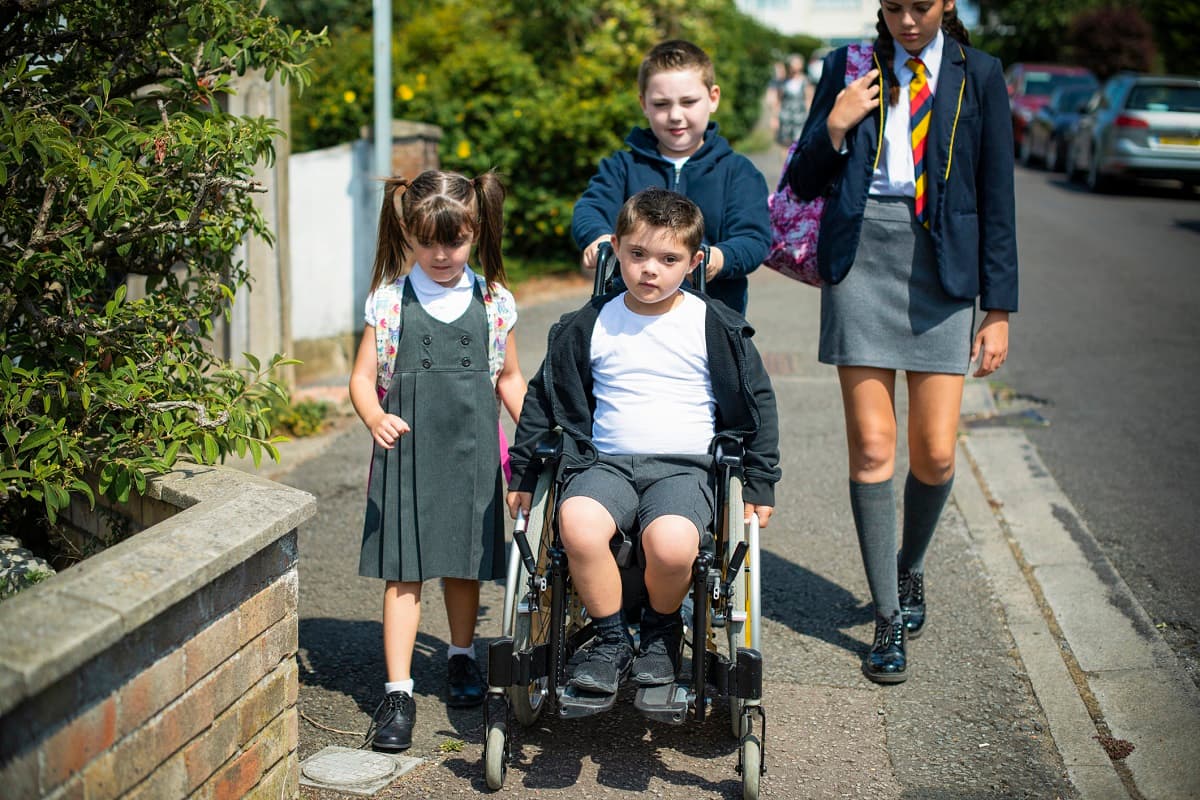
Walking, wheeling and scooting
If you live close enough, walking, wheeling or scooting to school is good for the planet, and good for you!
And it’s never too early to make your child aware of the roads about them. When you’re walking in you could point out features like traffic lights, zebra crossings and school crossing patrollers.
If your child complains about walking being ‘boring’, why not play a game on the way, like I-spy or counting things together, like bicycles, trees or dogs? This is also a good way of making them more aware of what’s around them when they’re out and about, which is important for road safety.
You can find more tips for keeping kids safe when they’re out and about on our road safety page.
Cycling
Cycling to school is a great way for kids to get exercise, which can boost their mood just in time for the school day to start.
To make sure your child can cycle safely, it’s a good idea to sign up for Bikeability Scotland. This is a free course offered in schools to help children build the skills and confidence they need to cycle on the road.
You can check whether your child’s school offers Bikeability Scotland training on the Cycling Scotland website.
You could also ask your child’s school if they run a ‘bus bike’ scheme, which allows children to cycle to school together safely.
Catching the bus
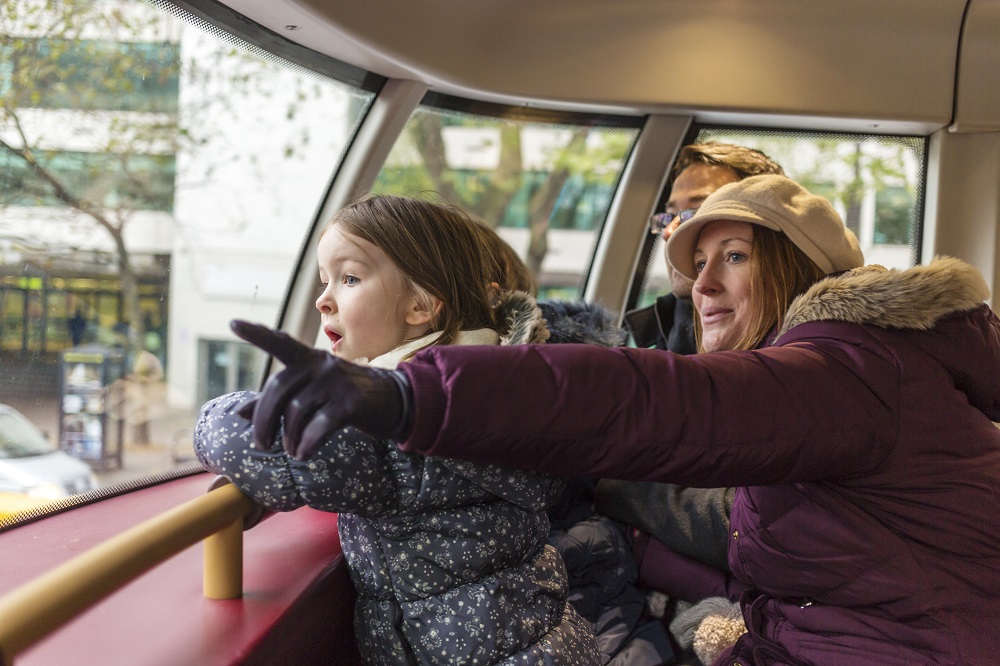
All 5-21 year olds can travel by bus in Scotland for free with the Young Persons’ (Under 22s) Free Bus Travel Scheme, making the bus a great way to get to school. And did you know that replacing car journeys with bus travel can help reduce CO2 emissions by 42%?
You can find out more about applying for a young person’s bus pass and staying safe on public transport at the Freebus.scot website.
There are lots of fun games you can play while you’re waiting for the bus, like I-spy, rock, paper, scissors or ‘I went to the shop and I bought…’. (see below).
And when you’re on the bus you could try reading a book together, playing a game or making up a story between you. The Read Write Count activity bags are filled with books and card games that are easy to slip into your bag to pull out on a bus journey.
Driving
If you currently drive the kids to school, it’s worth thinking about whether any of the other options (like walking or scooting) could work for you, even if it’s just for one day a week.
However, you can still have fun in the car playing games like ‘Tell me a story’ and ‘Animal alphabet’ (see below).
Safety first
When you arrive, always make sure you follow any instructions or rules about where and when you can park near the school, to make sure everyone stays safe. Our page on road safety has advice on keeping kids safe when you’re travelling by car.
Switch your engine off
Another important thing to do is to switch off your engine when you drop off or pick up the kids from school. Leaving your engine running unnecessarily while your car is stopped, known as vehicle idling, is illegal in Scotland and you could be fined. You can find out more about this on the gov.scot website.
Vehicle idling causes air pollution, which is linked to all kinds of horrible health conditions, like stroke, heart disease, lung cancer and respiratory disease. And while emissions from cars are harmful for everyone, they’re particularly damaging to children. Did you know that children breathe more rapidly than adults, so they take in more polluted air compared to their size? This is made worse by the fact that engine fumes concentrate at child height. Plus switching off your engine can also save you money on fuel. So be kind to the planet, your purse and everyone around you and switch off when you stop.
Park and stride
You could also consider parking further away and then walking the remainder of the way to school with your child, or getting them to walk on their own if they’re a bit older. This ‘park and stride’ will give your child the benefit of some exercise before school starts, as well as reducing traffic around the school gates.
5 fun games to play while you’re travelling to and from school
However you travel to school, playing games along the way will make the journey more fun! If your child has any worries about school, this will help distract them and give them something to focus on, and the games will also help your child’s speech and language skills – win win!
For more ideas check out our page on keeping the kids happy when you’re out and about.
I-spy
I-spy is a classic game that can keep children busy for ages and has the additional benefit of helping them learn new words and think about the different sounds that make up words.
Player 1 says: “I spy with my little eye something beginning with…” and then says the letter phonically (so ‘cuh’ for ‘c’ or ‘sss’ for ‘s’ and so on).
Player 2 has to look around them and name things that begin with that letter.
You can see an example of a family playing I-spy and find out more about the benefits on the BBC Tiny Happy People website.
I went to the shops and I bought...
This game is great for filling a dull moment, and is only limited by your child’s imagination!
Player 1 starts with “I went to the shops and I bought…” and names an item. It can be something straightforward, like bread or milk, or something out there like a dragon or a hoverboard!
Player 2 says “I went to the shops and I bought…” then names Player 1’s item, followed by an item of their choice.
The next player then adds another item to the list, and you carry on until someone forgets something.
This game is great to help your child learn new words, and to listen and take turns. It can also help them work out ways to remember things, which is very useful for school!
Tell me a story
Making up a story on your way to and from school is great for encouraging your child to be creative, to think on the spot and to take turns.
Player 1 starts by setting up the story, for example: “Once upon a time there was a dog, a horse and a dragon.”
Player 2 then adds to the story, for example: “They lived in a swamp at the bottom of the King’s garden.”
You can take the story anywhere you like, before ending “happily ever after” as you arrive at school or home.
Hey doggie!
How many dogs or other animals can you spot on your journey to school? Can your child give each animal they see a name? Can they use alliteration (words all beginning with the same sound or letter) or rhyming words to make up silly sentences about the animals they see? Like: “Dave the dog likes digging in the dirt”, or “Matt the cat is wearing a hat”.
This kind of game may seem daft but it encourages children to recognise the sounds that make up words and to learn new words. This helps them grow their vocabulary and can make learning to read a bit easier too.
Animal alphabet
Choose a category, like animals, countries or flowers and trees and see if, between you, you can name something in that category starting with every letter of the alphabet. So A is for anteater, B is for bear, C is for cat, and so on.
This not only helps your child get more familiar with their ABCs but it also gives them a chance to learn some new words. If you get stuck you can also look up the answer online and maybe all learn something new!
Having a chat
Travelling to and from school can also be a good chance to talk to your child about their day. What are they looking forward to? What did they do that day? What was the best thing about their day?
For young children, this is good practice for talking about things in the past and future. This is great for their memories and for helping them learn to make plans. You can find out more about the benefits of this on the BBC Tiny Happy People website.
The school run is also a good opportunity for you to pick up on anything that may be worrying them. These pages have tips to help with this:
- encouraging your child to confide in you
- supporting your child’s mental health
- helping children deal with worries.
For older children and teens, these pages have more advice:

 Online Behaviour & Safety
 Childcare