 Activities & Play
 Behaviour
 Childcare
 Children's rights
 Development & Growing Up
 Family, Friends & Relationships
 Feeding Your Baby
 Food & Eating
 Health & Safety
 Mental Health & Wellbeing
 Money & Work
 Online Behaviour & Safety
 Pregnancy & First Days
 School & Education
 Sleep
Sleep


Jump to a section in this article

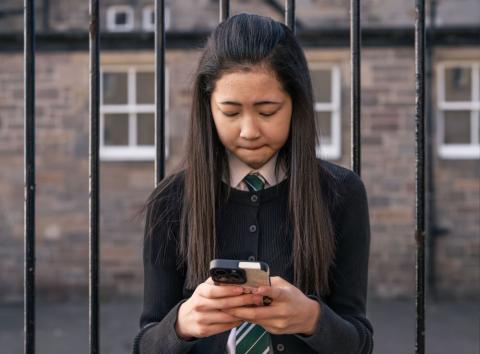
If your child’s mental health is significantly impacting their day-to-day life, their doctor or school may refer them to Child and Adolescent Mental Health Services (CAMHS). They may also be referred if they have a learning disability or may be neurodivergent. This page explains how CAMHS can help and how you can support your child while they’re waiting to be assessed and while they’re receiving treatment.
What is CAMHS?
CAMHS is a free NHS service that helps children and young people with a wide range of problems, including anxiety, grief, anger management, eating disorders, depression and self-harm.
Your child may be referred to CAMHS if their mental health is significantly affecting their day-to-day life. They may also be referred if they have a learning disability or are thought to be neurodivergent (for example, if they are autistic or have ADHD or Tourette’s Syndrome).
Lots of different types of mental health professionals work for CAMHS, including nurses, therapists, counsellors, psychologists, psychiatrists and social workers. If your child is referred to CAMHS, the team there will work out what kind of support will work best. This could include:
- helping your child develop strategies to manage their mental health themselves
- sessions talking with a therapist
- creative therapy using art, music or drama
- medication
- treatment and support in hospital.
The team should always talk things through with your child, to make sure they feel comfortable with the support or treatment they’re offered. They should also talk to you about your child’s mental health and their treatment.
How do we access CAMHS?
To access CAMHS, your child will usually need a referral from their doctor, school or another professional who’s supporting them. However, some services allow young people to refer themselves if they’re above a certain age, and some allow parents to refer their children.
If you think your child should be referred to CAHMS you ask your GP or your child’s school. They can talk you through all the different kinds of support available to your child and make a referral if necessary.
Where can I find out more?
You and your child may find the idea of appointments and assessments with CAMHS daunting and that’s perfectly understandable. But remember, these services are there to make things better for you.
It can really help if you and your child know what to expect and what you can do to prepare – these guides from YoungMinds have lots of information to help.
The YoungMinds guide to CAMHS for young people looks at:
- how your child can prepare for their first appointment
- what happens when they start treatment
- what to do if they’re turned down for treatment or aren’t happy with the way things are going
- leaving CAMHS or moving to adult mental health services (AMHS).
The YoungMinds guide to CAMHS for parents looks at:
- how the process works
- how to prepare for your child’s assessment
- how you can support your child
- what to do if you’re not happy with the support offered.
Childline also have a helpful page about CAMHS and Contact, the charity for families of disabled children have information about CAMHS in Scotland.
CAMHS services in your local area
CAMHS services can differ depending on where you live. You can find out more about services in your area on your local NHS board website.
Waiting from treatment from CAMHS
In this short video, Dr Lynne Taylor, principle psychology officer in the Scottish Government, has practical tips to help you support your teen while you're waiting for treatment. She talks about how best to work with your teen, not against them, and explains the importance of looking after your own mental health too.
Tips for waiting for treatment from CAMHS
Unfortunately, CAMHS services can be very busy and your child may need to wait a while for their first appointment and for their treatment to start. This can be frustrating and stressful, but there are lots of things you can do to support your child while they’re waiting. YoungMinds have a helpful article on ways you can support your child while they’re waiting, and here are some tips to get you started:
Tip #1: Take a breath
Getting a referral to CAMHS is a big step forward, but it can also feel stressful and overwhelming. So try to make sure you take the time to decompress, maybe by talking to a friend or family member or to one of the helplines listed on our support page.
Try and fit in some things that calm you down and make you feel better, like going for a short walk, listening to music or simply sitting down with a cup of tea. You can find more tips on looking after your mental health and ways to help you cope and relax here.
Tip #2: Keep talking
Your teen may not always want to talk to you, but try to keep the lines of communication open, so they know they can always come to you (or another trusted adult) if they need to.
Tip #3: Small steps
Encourage your teen to try to do one small thing each day that helps their mental health. This could be getting some fresh air, having a bubble bath, doing a bit of exercise, trying breathing exercises, chatting to a friend or anything else that helps. YoungMinds’ self-care guide has lots of ideas your child could try.
Even if they don’t manage this, it’s important to praise them for trying. Small steps can take a lot of effort at this stage, so it’s good to let them know that you see they’re trying and are proud of them.
Tip #4: Don't forget to have fun
You and your child may start to feel that their mental health is taking up all the space in your lives and not leaving room for anything else. So try to fit in some fun things the whole family can enjoy.
Further information and support
The following pages on Parent Club have more tips for supporting your child or teen to manage their mental health:
- Supporting your child’s mental health
- How to help children deal with worries
- Supporting your teen’s mental health
- Eating disorders
- Helping teens with anxiety
- Helping neurodivergent teens with anxiety
- Supporting teens with low mood and depression
- Coping with self-harm
- Supporting teens with suicidal thoughts
The organisations listed here all offer further support to young people. Your GP can also direct you and your child to resources to help, including websites, apps and support groups in your local area. You can also check your local health board’s CAMHS website (see above) to find out what support they offer while your child is waiting.
What if CAMHS can't help my child?
CAMHS is there to help children whose mental health is having a significant impact on their day-to-day life. If CAMHS doesn’t offer support for your child, you can ask them to explain why, and to put this in writing. They should suggest other ways you can help your child to improve their mental health and give you details of other organisations in your area that can help.
In an emergency
If your child is in immediate danger, call 999 straightaway.
If your child’s mental health gets worse while they’re on the waiting list you should let your GP and the CAMHS team know.
If you have urgent concerns and are worried your child could come to harm you can:
- Contact NHS24 (111) and ask to speak to a Mental Health Adviser
- Contact Childline (0800 11 11) or Samaritans (08457 90 90 90)
- Attend your nearest Emergency Department.






 School & Education
 Behaviour