 Activities & Play
 Behaviour
 Childcare
 Children's rights
 Development & Growing Up
 Family, Friends & Relationships
 Feeding Your Baby
 Food & Eating
 Health & Safety
 Mental Health & Wellbeing
 Money & Work
 Online Behaviour & Safety
 Pregnancy & First Days
 School & Education
 Sleep
Sleep


Jump to a section in this article
Getting the kids to help around the house
This article was created with

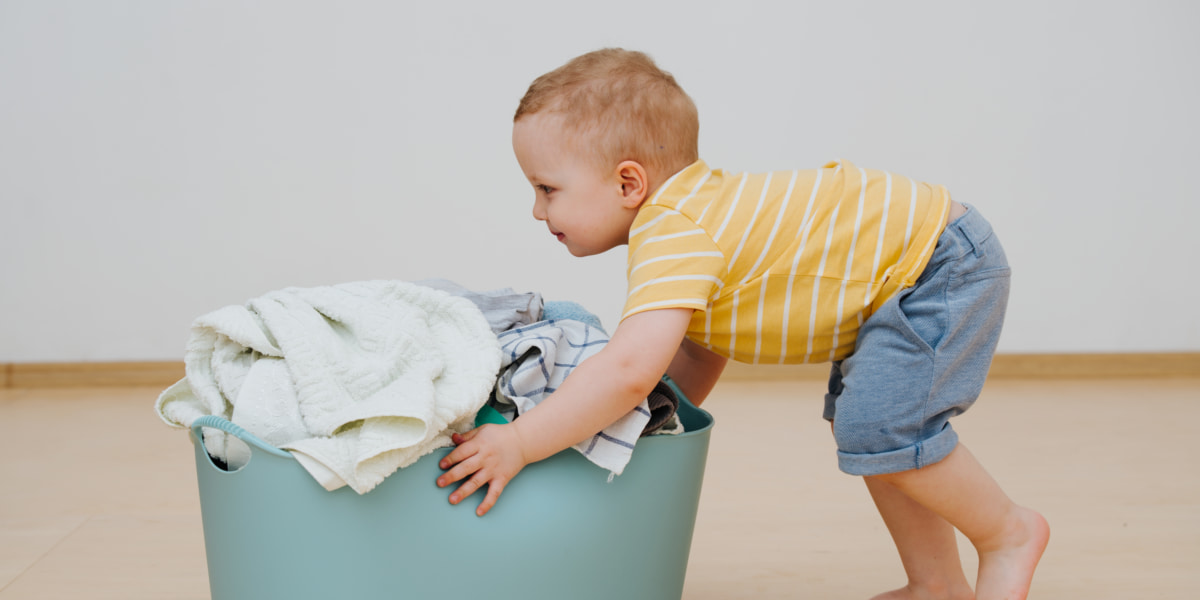
Kids love helping out with little jobs around the house (enjoy it while it lasts) – and they love being asked questions and challenged to do things. Here are a couple of tips to get your House Elf to work – and some info on why doing chores is good for the whole family.
Tips for getting help around the house
Tip #1: Sock matching
After you’ve done the laundry, ask your child to help you match up the socks in pairs. Then they can help you sort them into piles of who owns which socks. When they're done, keep the game going by asking how many pairs belong to each person. You’ll get some help with the laundry and keep them happy and busy. Win-win!
Tip #2: Clean sweep
Whether you’re doing the dishes, making the beds, or cleaning the bathroom - try putting some music on and get your child to count out different actions with you - like 3 wipes of the cloth, or 5 shakes of the duvet, or 2 squirts of the polish - in time to the music. Get wiggling.
Tip #3: Get them cooking
Mealtimes can be an easy way to keep your child busy and get a bit of a helping hand. You could ask your child to pick a recipe for a family meal, help you get everything you need, and then let them measure out all the ingredients with you. You’ve got yourself a ready-made kitchen helper - and it's a great way to get a fussy eater to try out some new foods!
Tip #4: Sort the recycling
Get them to sort out all of your recycling and to count it into the bags or boxes for you to take out together. Keeps them busy and it keeps Scotland beautiful. BOOM!
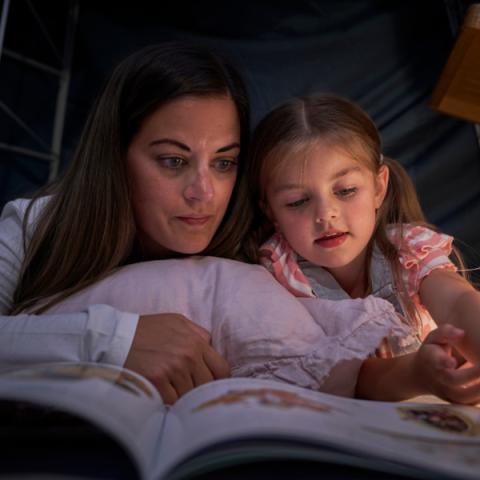
Tip #5: Get them to read to you
Sometimes you really just need to get on with what needs doing. Why not get them to read a book to you while you're washing the dishes or getting your jobs done?
You can finish up what you need to, they can practice their reading, and you'll get some nice one-on-one time together.
Tip #6: Don't mix red & white socks
Get them to help you sort the dirty laundry out and read the labels on the clothes. Get them to guess what the labels mean and explain what happens if you don't do what the instructions say.
Parents of Scotland - do you think we'll be the generation that teaches our children not to shrink their jumpers or who don't turn all of their socks pink? Let's make it happen!
Tip #6: Tidy time
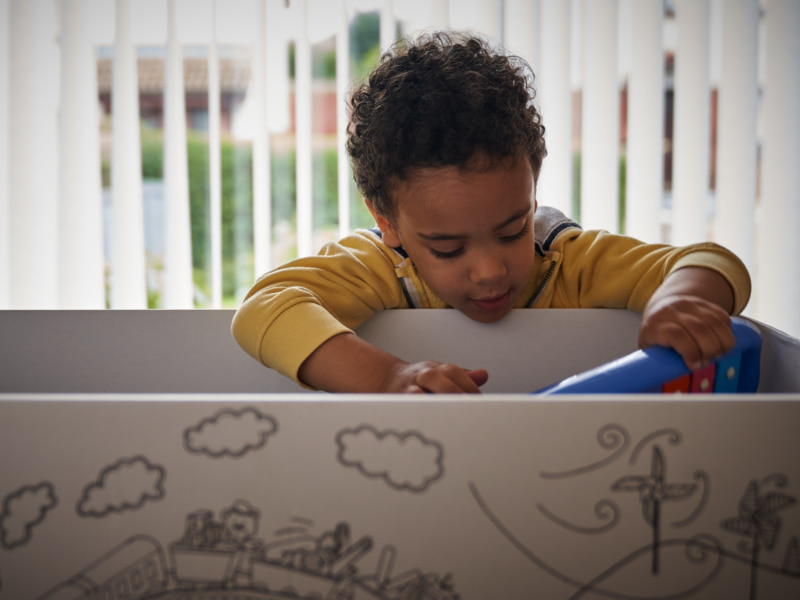
It’s good to get your little one to help you to tidy away their toys. That simple task can let them know that bathtime’s coming next while teaching them about tidiness and looking after their toys. If you can, try putting labels on boxes for toys to encourage your child to match the right toy with the right box. You could ask your child which box their favourite toys go into.
Tip #6: Boogie up the tidy up
Playing a fun piece of music as they tidy makes it less of a chore. Your little one can dance as they put things away, sing along or even try to finish before the music stops. If there’s a really big mess start with a lot more than Ten Green Bottles! Maybe thirty!
Tip #7: Helping out
You’ll be surprised how much young children love helping around the house. That will change when they get older! While it may seem boring to you it’s an exciting new experience for your little one. It may take longer, but laying the table, hoovering, dusting and washing up can be great fun when you do it together.
Tip #8: Be clear about what you want them to do
Kids will find it harder to do chores if they’re not sure what they’re meant to be doing! So make sure you show them what to do, and help them break down the task into stages. For example, if you want them to help with the cooking you could give them specific tasks like washing vegetables or stirring a pot.
Tip #9: Switch the chores around
Try to swap chores around, so the same people aren’t always doing the same tasks. This will keep things interesting (or as interesting as chores can get) and will also show that everyone can do everything – mum doesn’t have to be the cook all the time and dad isn’t the only one who can put the bins out. Our section on gender stereotypes below explains why this is important.
Tip #10: Make a reward chart
One way to make sure everyone knows which jobs they’re meant to do is to make a chart showing all the chores, when they need to be done and who should be doing them. You could search online for a free chore chart to download, or the kids could help you make one – the more colourful the better! You could ask them to tick things off as they do them, and reward them with stickers, extra play time or other fun things.
Tip #11: Always praise them for doing their chores
Remember to praise them when they do their chores (particularly if they do them without being asked!) and thank them for doing their bit around the house.
Chores for older children
As the kids grow up, you can trust them with more complicated tasks that involve new skills, like:
- setting the table
- clearing up the dishes after a meal
- washing up and drying, or filling and emptying the dishwasher if you have one
- help with cooking (you can find some tips for getting kids to help in the kitchen and help with cooking here)
- shopping and putting away groceries
- hanging up and putting away laundry
- hoovering and sweeping
- wiping down surfaces
- looking after pets.
Remember to show them what to do first – you could maybe do the tasks together for a bit, until they get the hang of it.
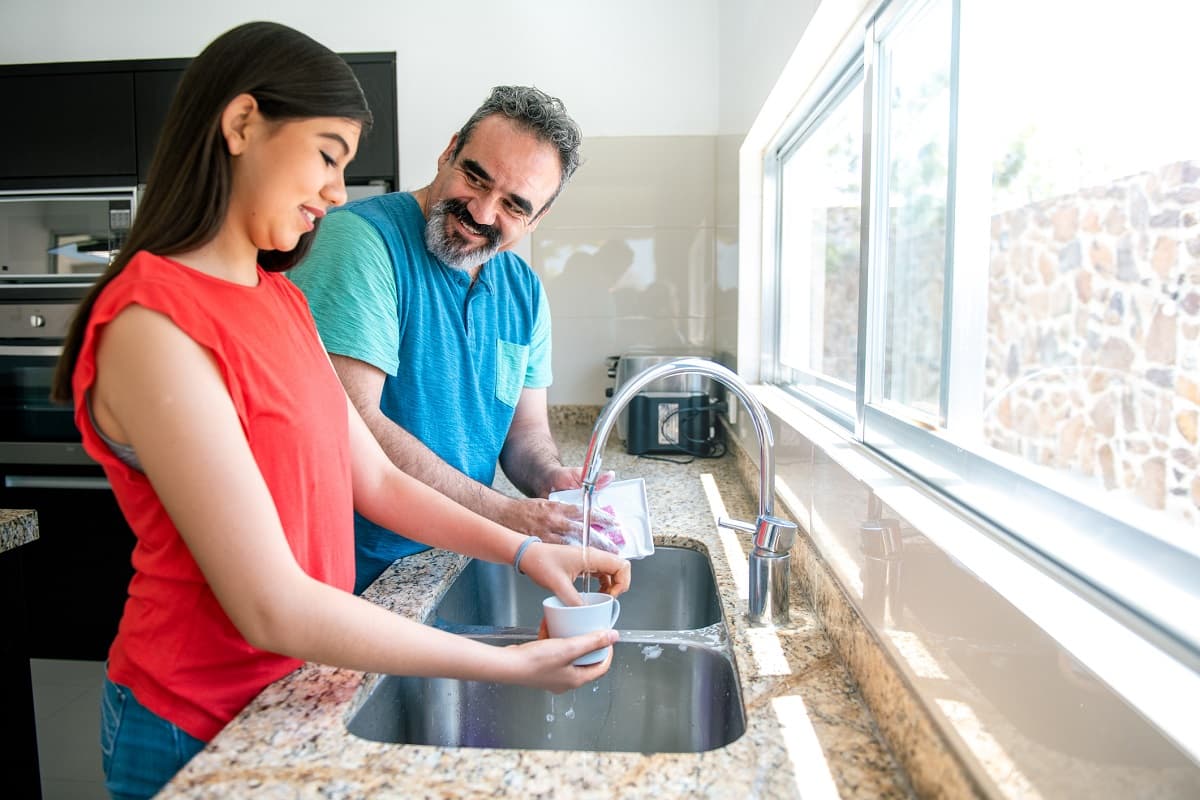
Why is doing chores good for children?
Sometimes it can feel as if nagging the kids to do their chores is far more hassle than just doing the work ourselves. But try not to cave in, because housework has lots of benefits for children. So even if it does take them the entire weekend to tidy their room or they cook something that’s only semi-edible, it’s worth persevering!
Boosting wellbeing
Kids may moan about doing chores, but sharing the responsibility for tasks around the home can actually help their wellbeing. It shows you trust them, which can boost their confidence and self-esteem. Even if they don’t enjoy doing chores, they can feel a sense of achievement when they’re done and they’re free to have fun.
You can find more ways to boost their confidence here.
Helping them learn life skills
Unless we’re going to grow up to have a house of servants (!) cooking and cleaning are things everyone needs to learn to do. Research has even shown that kids that help out around the home grow up to be more competent, confident and happy than children that don’t. Doing regular chores also shows them that it’s important to stick at things.
Improving family relationships
Working together as part of a team and agreeing who’s going to do what can help bring everyone together. And if the kids are helping out, it frees up some of your time to have fun together as a family.
Helping them learn to plan and organise
Learning how to do chores can also help kids with other tasks, like school work. For example, if you want them to tidy their bedroom, you could help them plan by breaking the job down into individual tasks, like hanging up their clothes, putting away toys and putting books back on a bookshelf. You could also help them work out how long it will take to do each part of a task, and when they need to start to get it done in time.
You could then help them work out what to do first – for example, do they need to sort their clothes out first, so you can put a wash on? Or should they put out any recycling or rubbish, because tomorrow’s bin day? Which task would make the most difference?
Planning, time-management and prioritising are really useful skills to have as they grow up.

Chores and gender stereotypes
Another good thing about everyone in the family sharing chores is that it helps challenge stereotypes about the roles of men and women in the household and in society.
Children start to pick up on messages about what boys and girls ‘should’ and ‘shouldn’t’ do at a very early age, and this can limit their options and ambitions. If they don’t feel they fit the stereotypes they see, it can make them feel anxious, confused and insecure. It can also lead to bullying, and to girls being more likely to become victims of violence and abuse.
The good news is that sharing household chores fairly is one of the best ways to challenge gender stereotypes. Research has shown that in families where dad shares the housework equally with mum, children are much more likely to see men and women as being equal as they grow up.
So it’s a good idea to have a think about who does what in your home. If mum does all the cooking, cleaning and family admin (like remembering birthdays and making doctor’s appointments) while dad puts the bins out and does the DIY, maybe you could shake it up a bit? Or if one partner does much more around the house than the other, can you make this more fair?
Likewise, when you’re giving your children chores, try to switch them around so everyone has a go at everything.
Our page on gender stereotypes explains more about why it’s important to challenge traditional roles and has lots of tips you can try.To find out more about how chores can help boost gender equality, visit theEqual at Home website.






 Family, Friends & Relationships
 Mental Health & Wellbeing