 Activities & Play
 Behaviour
 Childcare
 Children's rights
 Development & Growing Up
 Family, Friends & Relationships
 Feeding Your Baby
 Food & Eating
 Health & Safety
 Mental Health & Wellbeing
 Money & Work
 Online Behaviour & Safety
 Pregnancy & First Days
 School & Education
 Sleep
Sleep


Jump to a section in this article
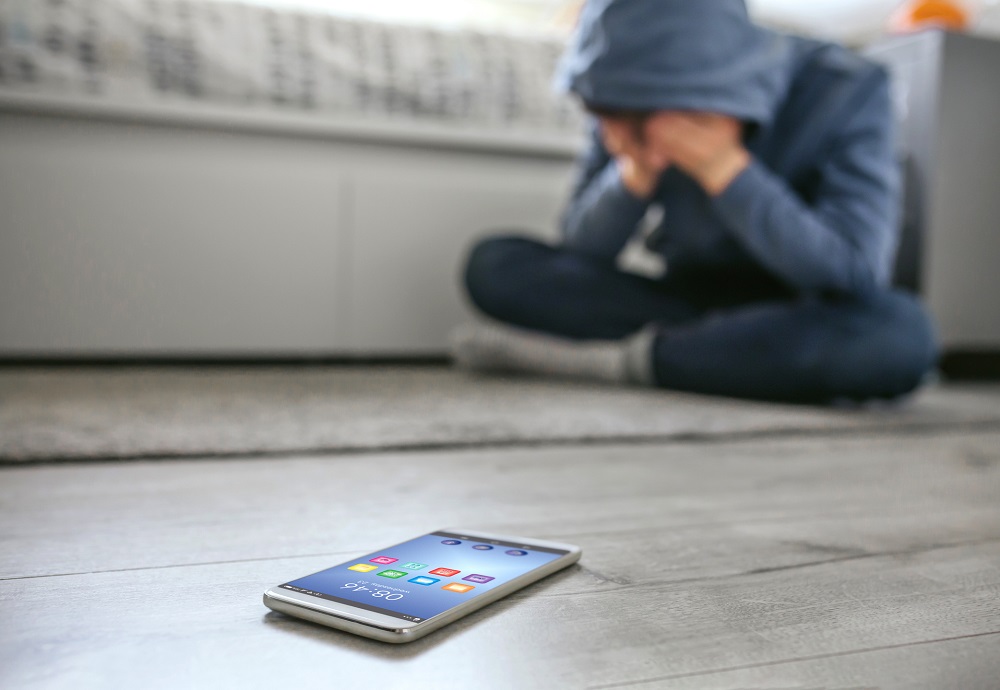
Sextortion is a type of online blackmail, where someone threatens to reveal intimate images or video unless you pay money or do something else you don't want to do. It can be incredibly distressing, but there is help out there. This page looks at what sextortion is, how you can reduce the risk of it happening and what to do if it does happen.
What is sextortion?
Sextortion is a type of online blackmail where the perpetrator tries to use intimate, naked or sexual photos or videos of someone, real or fake, to make them do things they don’t want to do, like send them money.
This may be a real image taken by the person themselves and shared online, or an image taken without their knowledge. Offenders may have used AI to alter some images that have been shared online or the images may not even exist. But the threat of having them revealed can be really frightening.
You can find out more about sextorion on the Safer.scot website.
What to do if it happens
If your child or anyone else in your family becomes a victim of sextortion, it can be very distressing. But there's lots of support out there for the whole family.
It's important to know that they are not to blame. The criminals running these schemes are the ones at fault for tricking or deceiving them.
Police Scotland have this advice:
- Don't panic. The police will take your case seriously and will deal with it in confidence. You won't be judged.
- Don’t pay. Paying the demands won’t necessarily solve the problem – they may ask for more money or post the images online anyway. If you’ve already paid the person, consider getting in touch with your bank. They may not be able to recover payments you have authorised, but they will be able to help the police better understand the current threat.
- Don’t talk any further to the criminals. However, it’s a good idea to screenshot their profile and messages as evidence and to write down any details which you have about them.
- Deactivate any social media accounts which have been involved, but don’t delete them. This will make sure that important information and data is saved in case it is needed for evidence.
- Report the incident to your local police force by calling 101.
- Under 18s can report sextortion, or any other form of online child sexual abuse, to their local police force by calling 101, or to the NCA’s CEOP Safety Centre.
There are also practical steps you can take:
- It’s a good idea to change all your family’s passwords and set up two-step verification where it’s offered. You can find out more about setting secure passwords here.
- Children and young people can report nude images and videos of themselves which have been shared online and get them removed through the Report Remove tool on the Childline website. They can also use Take It Down, which is a tool from the National Center for Missing and Exploited children. This can be used to remove images and videos, or to stop images from being shared online.
- Adults can contact the Revenge Porn Helpline.
Our page on what to do if things go wrong has more advice on support, and reporting and removal of images and videos. The National Crime Agency and Police Scotland have more information and advice on dealing with sextortion. You can also watch a helpful video about what to do on the Crimestoppers website.
How to reduce the risk of sextortion happening
To reduce the likelihood of this happening, there are some key things we should all bear in mind when we go online, so make sure your whole family knows what to do.
- Remember that people online may not be who they say they are.
- Be careful how much information you share about yourself and your family online (you can read more about 'sharenting' here).
- Only switch your web cam on when you want to – otherwise keep it switched off, and preferably covered. If you do have it on, be careful about what you say and do.
- If you feel at all uncomfortable interacting with someone online, end the conversation and block the person if necessary.
- Keep your privacy settings updated – the National Cyber Security Centre has information on how to use social media safely here.
- Make sure your child or teen knows that they can always talk to you or another trusted adult like a teacher if they’re worried about this or anything else online.
If you’re worried you or anyone else in your family might be being targeted, report it to the police and your online service provider.
You can find more tips for protecting yourself and your family on the Safer.scot website.


 Mental Health & Wellbeing
 School & Education