 Activities & Play
 Behaviour
 Childcare
 Children's rights
 Development & Growing Up
 Family, Friends & Relationships
 Feeding Your Baby
 Food & Eating
 Health & Safety
 Mental Health & Wellbeing
 Money & Work
 Online Behaviour & Safety
 Pregnancy & First Days
 School & Education
 Sleep
Sleep

Jump to a section in this article

A good night’s sleep can make all the difference to your child’s mood. It’s also super important for physical and mental health as it helps the body repair and renew itself and the brain process thoughts and memories. So if your child or teen is struggling to fall asleep, or to stay asleep, we’ve put together some tips they could try.
How much sleep should my child or teen be getting?
This of course various from child to child. However, as a general guide:
- 11-13 year olds typically need between 9 and 11 hours of sleep.
- 14-17 year olds typically need between 8 and 10 hours of sleep.
- 18-25 year olds typically need between 7 and 9 hours of sleep.
Tips for older children and teenagers to help them get a good night’s sleep
Tip #1: Keep active
Encourage your child to be as active as they can during the day and to get outside as much as they can – our page on activities for teens has lots of ideas.
Tip #2: Keep the bedroom a device-free zone
They’re not going to like this, but if they’re having trouble getting to sleep, suggest that they keep their bedroom a device-free zone for a while, or at least try not to look at any screens for an hour or two before they go to bed.
If they charge their devices over night, why not put the chargers in the kitchen or living room, to keep them out of the bedroom?
Tip #3: Reduce noise and light
If noise or light are stopping them from sleeping, get them to try ear plugs or an eye mask.
Tip #4: Avoid caffeine and sugary foods
Suggest they try and reduce the amount of caffeine and sugary foods they consume, especially late in the day, as these can keep us awake. Try making them a hot milky drink instead.
Tip #5: Try a hot bath or shower
A hot bath or shower before bed can be relaxing. As the body cools down in bed, it helps you go to sleep.
Tip #6: Relax
Suggest they try some relaxation techniques before they go to bed, like yoga or meditation. There are lots of apps and podcasts designed to help us get to sleep – you and your child could try some out together,
Tip #7: Have a regular sleep routine
If you can, make sure your teen keeps to a fairly regular sleep routine – this helps the body know when it’s time to go to bed and time to get up. While everyone needs a bit of a lie in at the weekend, try not to let them stay in bed all morning!
Tip #8: Talk through any worries
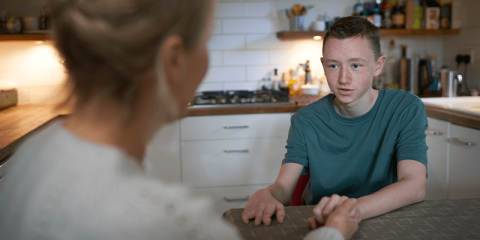
If your child isn’t sleeping well it may be because they’re worried about something. Let them know that they can always talk to you about anything that’s on their mind. Our pages on encouraging your child to confide in you and talking to your teen has more advice on getting young people to open up. And if they don’t want to talk to you or anyone else they know, they can always talk anonymously to someone who can help by calling Childline, Breathing Space or the Samaritans.
They could also try writing down a list of the things that are worrying them – this can help get things into perspective and make things more manageable. Our page on mental health advice for parents has some tips for dealing with negative thoughts that they could try. Young Scot's Aye Feel hub also has lots of information for young people how to look after their emotional wellbeing, support from organisations around Scotland and tips on how to promote a positive mindset.
Information and support if your child is neurodivergent
Autistic children or children who are neurodivergent in other ways may have more difficulty sleeping than other children, and may be less likely to ‘grow out of’ sleep problems.
This may be due to sensory issues, so as well as the tips above you can try:
- limiting screen time and exposure to bright light for at least an hour before bedtime
- using black out curtains or blinds to keep out the light
- keeping things quiet by shutting their door, moving their bed away from the wall and not using any noisy appliances like the hoover or washing machine once they’ve gone to bed
- helping them block out noise using ear plugs or by listening to music, podcasts, white noise or anything else they find comforting
- finding bedding that’s soothing and comfortable for them – they may find being tucked in tightly or sleeping under a weighted blanket comforting.
- avoiding sugary drinks and food after teatime.
Other things you may find helpful are:
- having a bedtime ritual, like having a bath, going through the things they’ve done that day, saying goodnight to all their toys, singing a lullaby and saying you love them
- adding breathing exercises or meditation to their bedtime routine. You can find breathing exercises and soothing videos in Childline’s Calm Zone, and there are also lots of apps that can help with this.
Keeping a sleep diary could help you work out if anything is preventing or helping your child get a good night’s sleep. Every day, make a note of what your child has done during the day, what they did before bedtime and how well they slept. For example, if you notice they always sleep badly on a Sunday night, they may be worrying about school on Monday. Or you may find that the time you have dinner affects their sleep.
You can get more advice about sleep on the National Autistic Society website.
If things don’t get better, you can always talk to your GP or health visitor, or contact Sleep Action.
More information
You can find more tips and advice on what to do if poor sleep is a problem at the Mental Health Foundation website. You can also find further information and advice on the Sleep Action website.




 Mental Health & Wellbeing
 Health & Safety