 Activities & Play
 Behaviour
 Childcare
 Children's rights
 Development & Growing Up
 Family, Friends & Relationships
 Feeding Your Baby
 Food & Eating
 Health & Safety
 Mental Health & Wellbeing
 Money & Work
 Online Behaviour & Safety
 Pregnancy & First Days
 School & Education
 Sleep
Sleep


Jump to a section in this article

All babies cry – it’s perfectly normal. It’s their way of communicating with you. Babies usually cry because they’re trying to tell you something – for example “I’m hungry”, “I’m sleepy”, “I want a cuddle!” Your baby’s cry might even be: “I’m just crying because I feel like crying!” When you’re getting to know your baby and everything is so new, it can be a bit overwhelming. Here you can find out why your baby may be crying, how to soothe them and what to do if it all gets a bit too much.
Important things to remember
When babies cry it can be stressful and overwhelming. But no matter how exhausted, frustrated and upset you may feel, there are four things you should always bear in mind. Together they spell the word ‘icon’, which may help you remember them:
I – Infant crying is normal
C – Comforting methods can help
O – It’s okay to walk away
N – Never, ever shake a baby
Pause at the door
Before you go to soothe your baby, it’s a good idea to pause briefly to make sure you’re ready to care for them. Ask yourself the 3 C’s:
- Can I be careful?
- Am I calm?
- Will I be caring?
If you’re not sure, it’s absolutely fine to take a few minutes to calm down before seeing to your baby.
Why your baby may be crying – and tips to help
Tip #1: Are they hungry?
Your newborn baby has a tiny wee tummy – so even if you feel like you’ve just fed them, your baby may be crying because they’re hungry again. Feeling hungry is the number one reason your newborn will cry, especially if they’re only a few days or weeks old.
Your baby will often give you signs that they want to be fed – like opening their mouth, or stretching. You can find out more on the signs your baby wants to be fed here.
Tip #2: Do they need sleep?
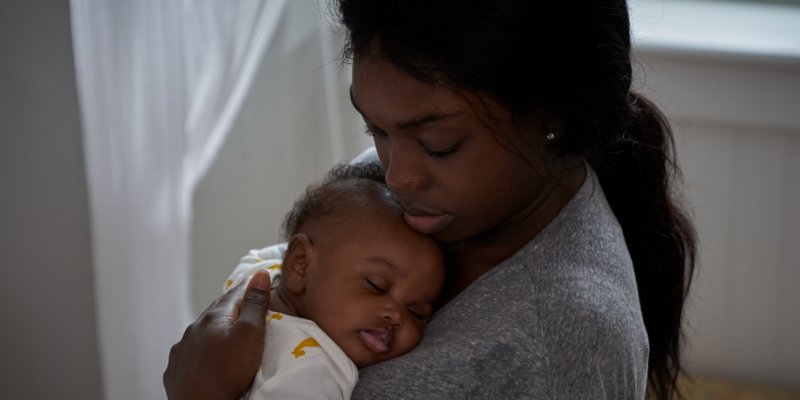
Just like us, babies get grumpy when they’re tired. And newborns need a lot of sleep – often more than 16 hours per day.
As you get to know your baby, you’ll start learning the signs that your wee one is getting tired and that it’s time to pop them down to sleep. They might start doing things like rubbing their eyes, pulling on their ears, or getting fussy.
It can also be a good idea for you to try to have naps, or a rest, when they go down – if you can.
Tip #3: Do they need their nappy changed?
Your baby will usually let you know if their nappy is wet or dirty – so if they're crying, it’s always a good idea to check their nappy.
Tip #4: Do they want to be cuddled?
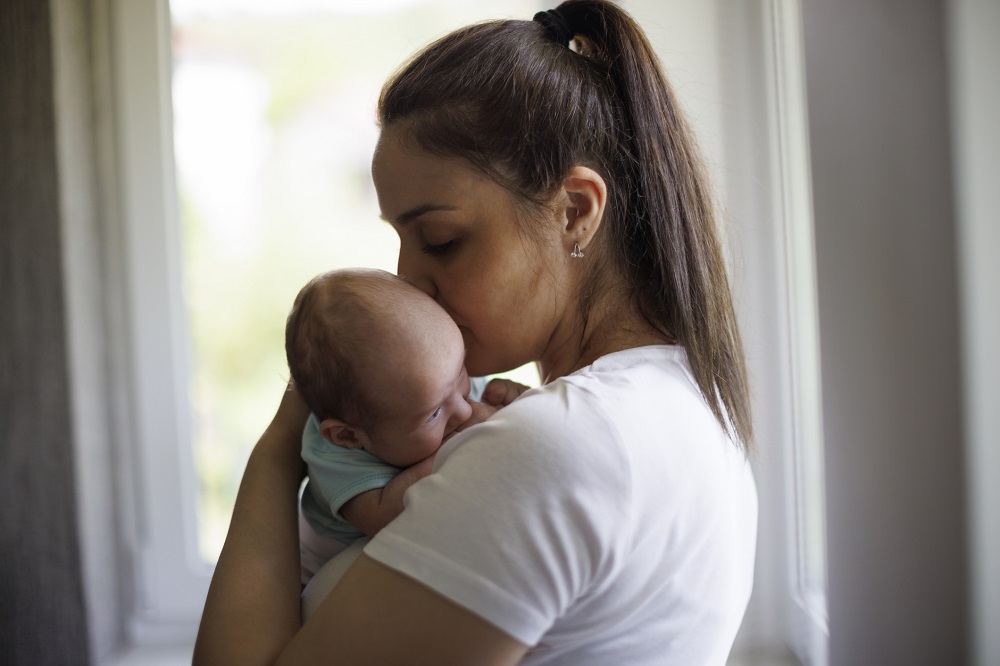
One of the loveliest parts of being a new parent is snuggling with your baby – your baby loves it too. They love to feel your heartbeat against them, the warmth of your body, and even your smell.
To soothe them, you can move about gently, sway or even dance. If you want to move around, your Baby Box sling is perfect as it lets your little one snuggle into you while you’re on the go.
Tip #5: Do they need to be burped?
If your wee one has just been fed and has had a big cry, it may be because they have wind stuck in their tummy. Gently pat or rub them on the back to burp them.
Tip #6: Are they too hot or cold?
Babies usually need one more layer than adults to feel comfy. If you’re just at home, you usually don’t need to add much more than that.
To check if your wee one is crying because they’re too hot or too cold, feel their tummy or the back of their necks.
Tip #7: Is there too much going on for them?
In those first few days, your house may be full of family and friends who want to come meet your little pride and joy.
When there’s a little too much going on, your baby can get overwhelmed and they may get upset. Sometimes all that attention is just a little too much and you may need to take some special time out together.
Try taking them to a room for a cuddle, or get some fresh air by going for a short walk with the pram or buggy.
Tip #8: Does your baby need a change of scene?
Sometimes when your baby is crying a lot, it can be a good idea just to get a change of scene – both for you and for baby.
Try going for a walk together with the pram or buggy, or maybe a drive if you have a car. Having something new to look at will distract your baby and calm them down. They might even pop off to sleep.
If you can’t get outside, just walking around indoors while rocking them gently may work too.
Tip #9: Does your baby have colic?
Some babies develop excessive crying due to colic, which often happens late in the afternoon or evening, just when you (and they) are at your most tired. Your baby may pull up their legs, go red in the face and seem to have a lot of wind. A warm bath, baby massage and just being there can help. Ask your health visitor about baby massage classes near you. Massage their belly clockwise, as that is the direction of the digestive system. Sometimes it helps to hold your baby face-down resting along your arm.
If your baby has colic regularly, and other children need to have their tea about the same time, plan meals that can be prepared ahead or made quickly, so you’re not doubly stressed – or ask someone else to step in as cook. The good news is that babies seem to grow out of the colicky phase after about 12 weeks.
Tip #10: Does your baby feel unwell?
If your baby is feeling unwell, they may tell you about it by crying. Their crying may sound higher-pitched or urgent – or you may just have a gut feeling that something is wrong.
If your baby keeps crying and you’re not sure why, check their temperature with the digital thermometer from your Baby Box. If it’s 38 degrees or higher, call your GP, NHS 111 or contact your GP out-of-hours service – there will be a phone number on your GP's answerphone.
Even if your baby’s temperature isn’t high, you’re the expert on your baby. If you feel that something’s not right, contact your GP, midwife or health visitor.
Tip #11: My baby is still crying. What other things might help?
It’s natural to want to find a reason for your baby crying. But sometimes there isn’t one – they are just a new human being getting used to their strange new environment. Here are some things you can try to calm them down.
- Giving them a bath or taking a bath together can help soothe your little one. It also means you have time to relax and get clean for the day – win win!
- If a bath isn’t possible right now, some skin-to-skin cuddling could still really help.
- Sucking can be soothing for babies. Let your baby suck on a clean knuckle, or if you’re breastfeeding, give your baby your nipple to suck on to calm them down.
- Try humming or singing to your wee one – a repeating, constant, soothing sound should help them to calm down.
- Talking calmly to your baby while stroking their back gently and rhythmically may also do the trick.
It's okay to walk away
As long as you’ve checked that your baby is safe, it’s okay to leave them for a few minutes if the crying is getting to you. After a few minutes, when you’re feeling more calm, you can go back and check on your baby.
Some parents feel really guilty about doing this and think they should be holding and comforting their baby all the time. But if you’re getting upset, it’s much better for both of you to have a few minutes’ time out to calm down.
When will things get better?
Babies start to cry more frequently from around 2 weeks of age. The crying may get more frequent and last longer. But the good news is, after around 8 weeks babies generally start to cry less each week. So if you're still in the early weeks, hang in there!
After about 5 months, your baby is more likely to be crying for a reason – because they’re hungry, tired or too hot or cold, for example – which means it’s easier to soothe them.
What if I have twins, triplets or more?
If you have more than one baby crying at a time this can make things even more challenging. But the same advice applies: it’s okay to step away for a minute if you need to, as long as your babies are safe. The Twins Trust website has more tips for coping with more than one baby at once.
Coping with crying
It's normal for babies to get upset, sometimes very upset! And there will be times when nothing you do seems to help soothe them. As hard as this can be, try not to doubt yourself. This is part of parenting. You’re not doing anything wrong – this is a normal phase and it will pass eventually. All you can do is persevere and help your baby become used to you trying to calm them down and understand them.
This is an important part of your baby’s development and is called ‘rupture and repair’. Over time your baby will get used to the pattern of being upset, you soothing them, and them feeling better. This also helps their brain to grow so they can deal with stress more effectively as they get older.
What to do if crying is getting to you
A crying baby is stressful for any parent. And it’s even more stressful if you’ve tried everything to soothe them and nothing is working. When this happens – and it will – all any of us can do is cope as best we can and try to manage our feelings of stress.
If you can, have a think about things you could do to calm yourself down if this happens. You could even write them down, so you can refer to them later. For example:
- Who can I go to for help with crying?
- What will I do if I need a few minutes to myself?
- What makes me feel better?
- What makes me feel calm?
Our page on mental health advice for parents has tips you can try for keeping calm.
You can even download a free ‘crying plan’ from the ICON website, so you can work out in advance what you’ll do.
Crying can sound even worse when you’re already stressed and under pressure. Again, this is normal, but it’s still tough. If the crying is really getting to you, the best thing you can do for yourself and your baby is get some support. No one will ever judge you for asking for help.
Never, ever shake a baby
Never shake a baby. It can cause serious damage to their eyes and brain or even be fatal. If you’re really struggling, put the baby somewhere safe and ask for help from friends, family or the Cry-sis Helpline (08451 228 669).
Getting help and support
If you’re worried about your baby’s crying, ask your health visitor, family nurse or GP to check them over so you know everything is fine. If nothing is wrong, that’s likely just how your baby is at the moment.
You’re not doing anything wrong, it’s not your fault, and it happens to lots of people. Over time, they’ll become more settled.
Crying is stressful for any parent, and it’s that much harder when you’re exhausted. Talking to new parents and family and friends who’ve been there can really help. You can also find local support groups to meet other parents going through the same thing.
If you’re finding it hard to cope, you can get help and support from your health visitor, family nurse or GP and from the Cry-sis Helpline (0800 448 0737).
If you have twins, triplets or more you can get support from the Twins Trust.
You can find out more about ICON and how to cope with a crying baby on the ICON website. The Ready Steady Baby website also has advice.
What the parents say
"Those first few days, I found myself wondering why anyone had let me leave the hospital with this little baby – I had no idea what I was doing! I would panic when he cried, and was worried I’d forget everything I’d been told at the hospital.
"After a week or so, we started to get into a rhythm where I felt like I knew the signs he was hungry, or it was time to change his nappy. Every day it’s different but now we’re in the swing of things."
“One day, he kept crying and crying. I had done everything I could think of, and nothing helped. I was exhausted, and I just didn’t know what to do.
"I rang mum, she said just to take a wee time out. I felt so guilty, but I was at the end of my tether. I put him down in his cot where I knew he was safe, and told him I’d be back soon.
"I went to the kitchen to splash my face and took a couple of deep breaths. It was only a minute or so, but it made such a difference – when I came back, I felt so much more calm. It was much easier to settle him once I’d had a little break."





 Feeding Your Baby
 Sleep
Sleep