 Activities & Play
 Behaviour
 Childcare
 Children's rights
 Development & Growing Up
 Family, Friends & Relationships
 Feeding Your Baby
 Food & Eating
 Health & Safety
 Mental Health & Wellbeing
 Money & Work
 Online Behaviour & Safety
 Pregnancy & First Days
 School & Education
 Sleep
Sleep

Jump to a section in this article
Breastfeeding premature and sick babies
This article was created with

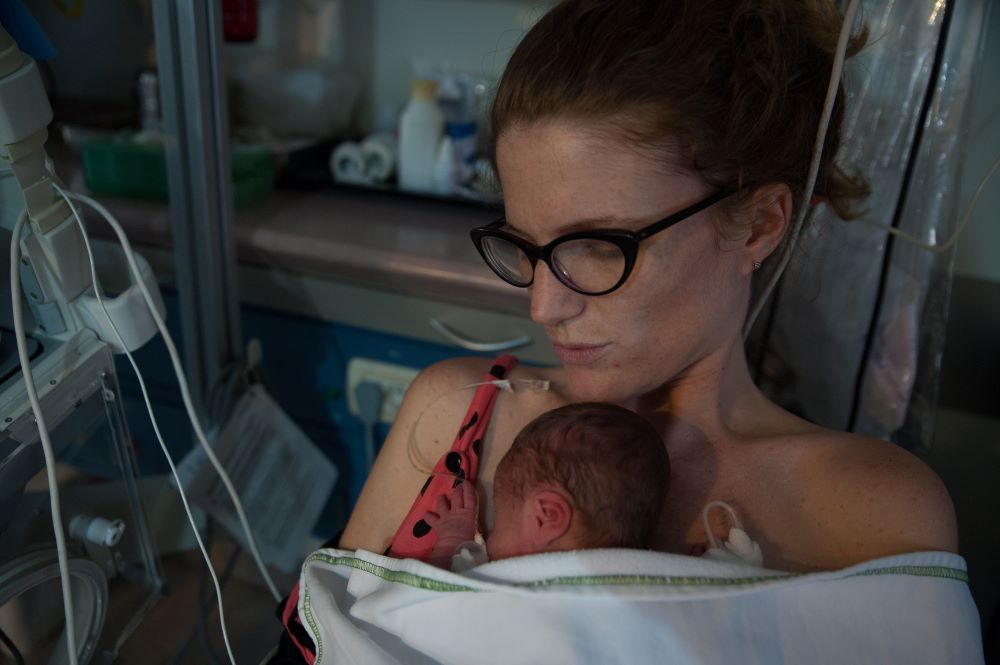
Breastfeeding is the best thing for a sick or premature baby. Not only will it give them the nutrition they need to get stronger, it will also protect them from infection.
What is kangaroo care?
This video shows how skin-to-skin 'kangaroo care' helps premature babies.
Expressing your breastmilk for a premature or ill baby
If your baby is sick or premature they probably won't be able to feed from the breast at first. Instead you'll be encouraged to express your breast milk so your baby can be fed through a tube or syringe. The earlier and the more you express, the more milk you will produce when your baby is stronger and ready to start feeding from the breast.
If this is your first time breastfeeding, it might take some time to get used to expressing. Spending lots of time in skin-to-skin contact with your baby will help you get to know each other and for you to recognise their feeding cues. It can take time and lots of practice but it will get much easier as the days and weeks go by.
Remember, your baby may only need small amounts of milk to begin with, but it's really important to be prepared for when your baby is bigger and needs more milk. Watch this video for guidance on how to use an electric pump.
You can sometimes rent or loan an electric pump from the hospital. Sometimes you might have to hire or buy one. Your midwife or neonatal nurse will be on hand to help you get started. Have a look at the guides to expressing and bottle feeding for more information.
Top tips for expressing and feeding a premature baby
Tip #1: Start expressing as soon as you can
Start expressing as soon as possible, ideally within two hours of giving birth.
Tip #2: Express between 8-10 times in 24 hours
Aim to express 8-10 times in 24 hours especially in the first couple of weeks. You will have a lot on your mind when your baby is born and you might be very tired and sore from giving birth. However, expressing often will help to establish your milk supply when it comes through. Expressing beside your baby or after skin-to-skin contact can help boost your milk supply.
Tip #3: Ask for help
Ask your neonatal nurse or midwife to check your expressing technique.
Tip #4: Keep drinking water
Have a big glass of water before you go to bed, needing the toilet can then be a natural alarm for a night time expressing session.
Tip #5: Express in clusters
Express in clusters (2-3 times close together) to give yourself a bit of space. However, don’t leave any long gaps between expressing.
Tip #6: Keep going even if you think your milk supply has dropped
It is normal for your milk supply to vary between feeds and on some days it will suddenly drop. Make sure that you are expressing often enough and without big gaps – you may have to do this up to 8-10 times a day for a short period. Also, check that the funnel on the pump is a good fit. Skin to skin contact with your baby, a breast massage or simply relaxing will encourage your milk to flow again. Keep positive, you can do this! It’s not easy at the start, but as each day passes it will get better.
Preparing for the first breastfeed
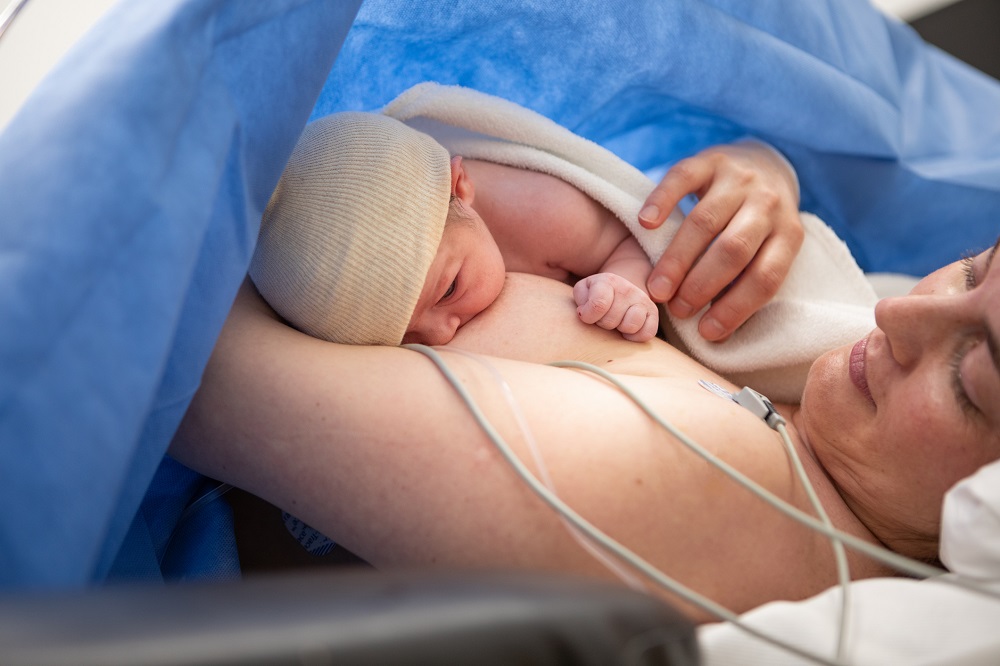
Babies can practise breastfeeding during skin-to-skin contact by licking or even taking the nipple in their mouth. When your baby shows feeding cues you'll be encouraged to offer your baby breastfeeding.
From around 32–34 weeks your baby will begin to manage sucking, swallowing and breathing at the same time and, if well, may be ready to feed from your breast. Babies all progress at different rates and it's important to take one day at a time. Small premature babies tire easily and may take some time to fully establish breastfeeding. Our page on getting started will help you get ready.
UNICEF Baby Friendly initiative have produced a booklet Supporting love and nurture on the neonatal unit which provides more information about breastfeeding and caring for a premature baby.



 Pregnancy & First Days
 Sleep
Sleep