 Activities & Play
 Behaviour
 Childcare
 Children's rights
 Development & Growing Up
 Family, Friends & Relationships
 Feeding Your Baby
 Food & Eating
 Health & Safety
 Mental Health & Wellbeing
 Money & Work
 Online Behaviour & Safety
 Pregnancy & First Days
 School & Education
 Sleep
Sleep

Jump to a section in this article

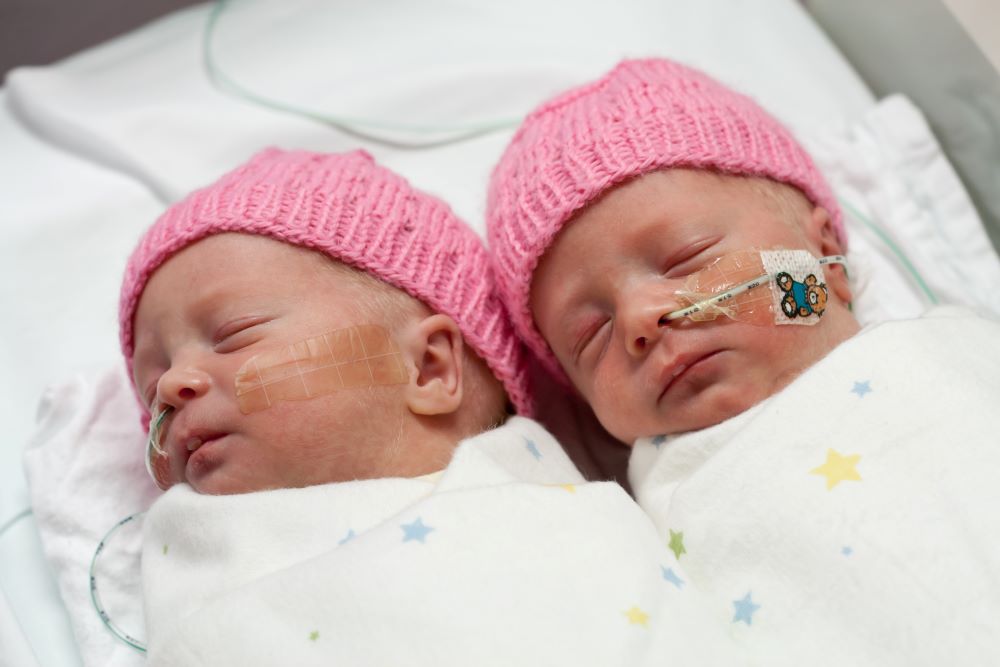
This page looks at what happens if your baby or babies need neonatal care, for example, because they were born early or are ill. This can be a difficult time for parents, but you're not alone – there's a whole team of experts ready to support you.
Decisions about your baby's care
Whatever care your baby or babies need, the neonatal team should make sure that you and your partner can stay as close to them as possible. You should both be involved in the decisions about their care at all times. If you don't have a partner or they can't be there, you can ask a family member or friend to support you.
This can be a really confusing, upsetting time for parents. Some parents can feel as if they're in a 'fog'. If you've given birth, you may be exhausted and on pain medication. If you're supporting your partner, you may have found the birth really difficult to process. And you're both going to be worried about your baby, even though they're in the best place to get care.
All this means it can sometimes be hard to take in what the doctors and nurses are telling you. So it's absolutely fine to ask them to explain things in a simple way and to ask the same questions more than once, so you understand fully.
Staying with your baby
If your baby or babies need care in a neonatal unit, you and your partner aren't 'visitors', you are part of the team caring for them and you will be able to stay with them wherever that is possible. The staff at the unit should be able to arrange for you both to either stay with your baby or close by.
It's natural to feel helpless or useless in this situation, but don't forget that your baby knows your face, your voice and your smell. Just by being there you are comforting and supporting them. And being with your baby as much as you can will give you confidence, and can help you develop the skills you’ll need when you take them home.
Bonding with your baby
It may seem impossible to bond with your baby if they're in an incubator attached to wires and monitors. You may feel sad that the magic moments you'd imagined haven't been possible.
But there are still lots of things you can do to bond with them. For example, you can:
- touch them gently
- make eye contact
- pay attention to them
- talk and read to them – they’ll recognise your voice and it will help them to hear it.
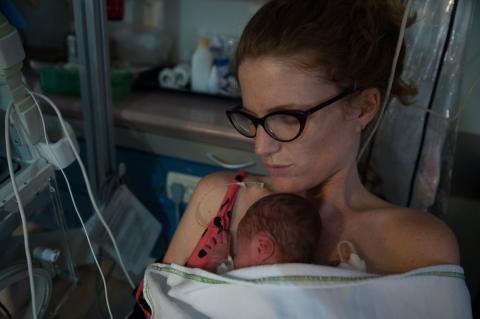
As soon as it's safe to do so you'll be able to hold your baby or babies, with support from the neonatal nurses.
Building a bond can take time, especially when your baby is ill or born early. So don’t worry if you don't feel a connection at first. Just try to take it one day at a time.
You can find out more on bonding with your baby on the Ready Steady Baby website.
Feeding your baby
You may need some extra support to feed your baby or babies but your midwives and neonatal nurses can help you.
Breast milk will give your baby the best start – it gives them all the nutrition they need and also protects them from infection, especially a serious bowel condition if they are premature. If your baby is sick or premature they may not be able to feed from the breast at first. Instead you will be encouraged to express your breast milk so your baby can be fed through a tube or syringe. Our page on breastfeeding premature and sick babies has more information. You could also watch this YouTube video from mum Amy about why she choose to give her baby breast milk when he was born premature.
You can find out more about breastfeeding twins and multiples them here.
Staff on the neonatal unit will support you with your feeding choice. If you can't or don't want to breastfeed you might be offered donor breast milk. There is lots of information about donor milk available here.
If needed, formula milk will provide your baby with the nutrients they need. Again, talk to your midwife or the nurses in the neonatal unit for advice and support.
Help with costs
Travelling backwards and forwards can be expensive, but you can claim for financial help towards food, travel and accommodation through the Young Patients Family Fund. You can also claim for financial help towards food, travel and accommodation for any of your baby's brothers or sisters who are coming to the hospital to see their sibling.
If your baby has been moved to a hospital that isn't close to your home, the hospital may provide accommodation for you or help you find somewhere to stay.
The Bliss website has more information about financial support if your baby is in a neonatal unit.
Neonatal care leave and pay
If your baby is born on or after 6 April 2025 and spends at least 7 continuous days in neonatal care, you may be entitled to neonatal care leave and pay. This is a new leave and pay entitlement that allows you to extend your parental leave. You can find out more about it on the Bliss website.
Taking your baby home
Taking your baby home from hospital is a huge step and you'll probably have mixed feelings. You may well be over the moon that they're well enough to come home, but also scared that now it's all on you! But it's really not – you'll still have a whole team of healthcare professionals to help you, including your midwife, doctor, health visitor and community neonatal nurse.
The Bliss website has lots more information and advice for parents preparing to take their baby or babies home.
Further information
The Scottish Perinatal Network and Bliss websites have lots of detailed information about what neonatal units are like, the staff who work there and how you will be involved in your baby's care.




 Mental Health & Wellbeing
 Sleep
Sleep