 Activities & Play
 Behaviour
 Childcare
 Children's rights
 Development & Growing Up
 Family, Friends & Relationships
 Feeding Your Baby
 Food & Eating
 Health & Safety
 Mental Health & Wellbeing
 Money & Work
 Online Behaviour & Safety
 Pregnancy & First Days
 School & Education
 Sleep
Sleep


Jump to a section in this article
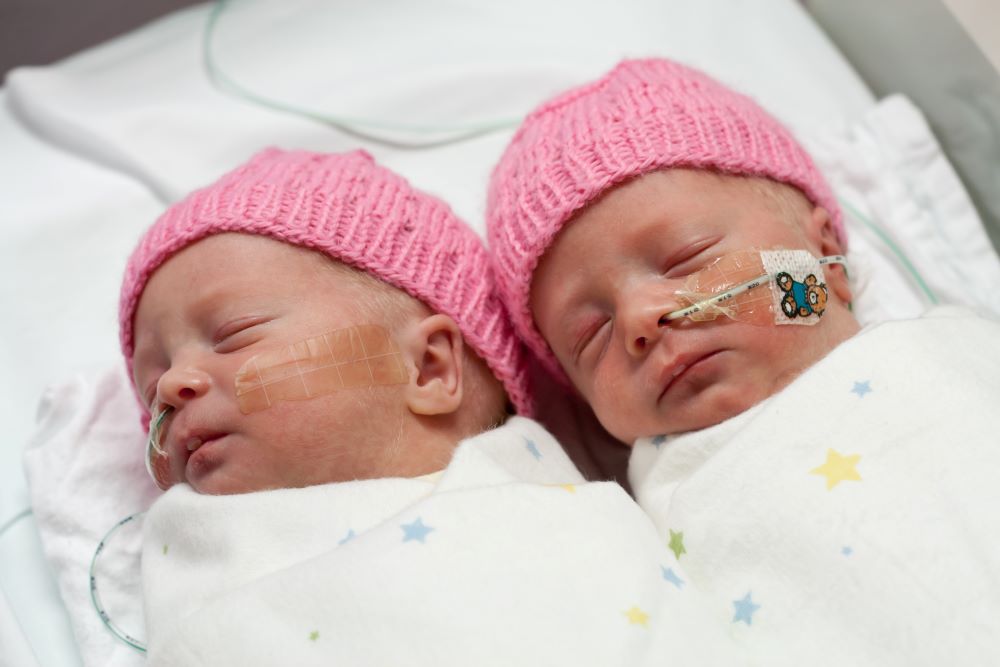
There are 15 neonatal units in Scotland. These each provide a particular level of specialised care. Neonatal care is available in most hospitals where babies are born in Scotland, but more specialised treatment for the smallest and sickest babies is only available in a few, more specialist neonatal units.
The neonatal units in Scotland work together to make sure that mothers and their babies are treated in the right hospital for their needs, at the right time.
This leaflet from the Scottish Perinatal Network explains more about the different levels of care available and where these units are located and what happens if your baby needs care in a different hospital.
How to find out more about neonatal care
You can find lots of information about the different units on the Scottish Perinatal Network website. For example you can find out:
- how to get there and where to park
- who's who on the unit
- a virtual tour of the unit
- where you can get food
- provisions for any other children you have, like a breakout room, toys or childcare
- accommodation that's available for parents
- financial support from the Young Patient Family Fund
- mental health support available.
If you know your baby is likely to need neonatal care
Your midwife or doctor may have told you before your baby or babies are born that they are likely to need neonatal care. For example, this may be the case if you are having twins, triplets or more. They will talk to you about the care your baby or babies will get, and where you are likely to have to go.
They may also talk to you about treatments to slow or stop premature labour – you can find out more about this at Ready Steady Baby.
If it's likely your baby or babies may need neonatal care it's a good idea to look up the unit where they'll receive care on the Scottish Perinatal Network website. You may even be able to visit it in person to see what it looks like and meet some of the friendly staff. You can ask your midwife if this will be possible.
Being told your baby or babies may come early or need neonatal care can be overwhelming and scary. Knowing more about what to expect may help put your mind at rest and help you feel more calm about the situation. But if you're worried, remember you can always talk to your midwife or doctor, or to a support organisation like Bliss or Tommy's. You can find out more about help and support here.
If you're not expecting your baby to need neonatal care
If you're not expecting your baby to need neonatal care, this can come as a shock. Your baby may be transferred to another hospital, and you may feel that everything you'd hoped and imagined about the birth has been taken away from you. This is completely natural. Our page on neonatal care once your baby is born explains more about what you can expect and how you can get support.
What if my baby needs care in a different hospital?
If your baby is likely to need a more specialist level of treatment than your local hospital usually provides, you may be transferred to another hospital before your baby is born. This is called an 'in-utero transfer'. In-utero transfers are carried out by the Scottish Ambulance Service.
Sometimes babies who need more specialist care will be born in a hospital which cannot provide that level of care. If this happens, your baby will be treated immediately in the hospital where they are born, and then transferred to a neonatal intensive care unit when it is safe to do so.
Transfers of babies within Scotland are managed by the Scottish Neonatal Transport Service, known as ScotSTAR. This is a dedicated service provided by highly trained medical and nursing staff. They are specialists in the care and transfer of newborn babies.
You can find out more about transfers on the Scottish Neonatal Transport Service website.
This video introduces the ScotSTAR teams and their equipment to help you understand how the service works.




 Mental Health & Wellbeing
 Sleep
Sleep