 Activities & Play
 Behaviour
 Childcare
 Children's rights
 Development & Growing Up
 Family, Friends & Relationships
 Feeding Your Baby
 Food & Eating
 Health & Safety
 Mental Health & Wellbeing
 Money & Work
 Online Behaviour & Safety
 Pregnancy & First Days
 School & Education
 Sleep
Sleep


Jump to a section in this article
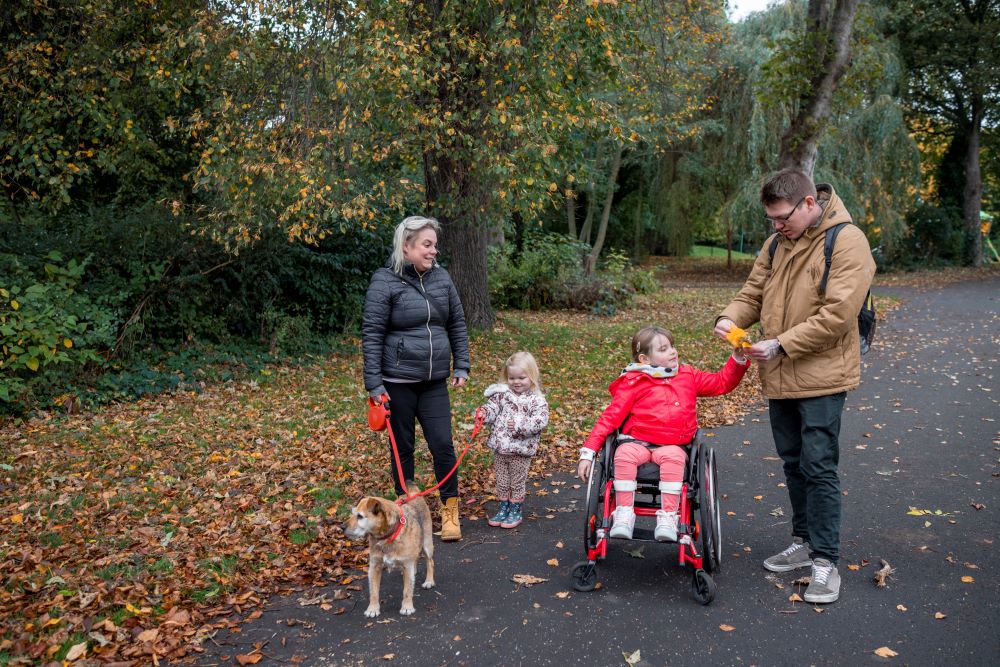
You may have heard people speaking about children’s rights without being sure what this really means. Children are learning about their rights in school and lots of other places too, and they may ask you questions about them at home. There may be times when you need to stand up for your child's rights. Or times when your child tries to use their rights as a way to win an argument!
What are children's rights?
Rights make sure we’re all treated fairly and can reach our full potential. Children have additional rights to adults. This is because children need extra protection and don’t have the independence adults do.
Some of these rights are set out in the United Nations Convention on the Rights of the Child (UNCRC). This is an internationally agreed document that recognises the importance of children’s rights and freedoms with a focus on the best interests of the child. Scotland is the first UK nation to incorporate the UNCRC directly into law, through the UNCRC Act. These rights apply to all babies, children and young people, from birth to age 18.
How can I support my child's rights?
As a parent, carer or family member, it’s up to us to speak up for our children and make sure their rights are being met. We do this every day, even when we don’t know it. For example, when you ask a teacher to provide extra help for your child at school or when you chase up a medical appointment for your child.
The UNCRC recognises the important role you play in supporting your child's rights and provides you with the language to do this, whether that's at school, the doctor’s surgery or anywhere else. You can find out more about your child's rights here.
The UNCRC Act gives public authorities like schools, health boards, local councils the police and the criminal justice system a legal responsibility to uphold children's rights when carrying out 'relevant functions'. So public authorities must think about children's rights when making certain decisions that affect them. If you think your child's rights aren't being respected, you can find out where to get help and support here.
How can I involve my child in decisions about their life?
It’s our responsibility as parents and carers to take our children’s views into account when making major decisions about their lives. This could be decisions about where they live, who they live with or how they are educated. It could also be decisions about their health.
The UNCRC recognises your important role as a parent, carer or family member to support your child’s best interests, defend their rights and have these taken into account. By parents and carers here, we mean anyone who has parental rights and responsibilities for their child.
Making decisions together will support your child’s rights and build their confidence in discussing their thoughts and feelings. Decision making is about listening and sharing opinions, it’s not about you having to do what they want – it’s up to you to make a decision that is in their best interests. It means that when you’re making important decisions about your child’s life you should ask them what they think, listen to what they say and take this into account when you’re weighing up the pros and cons. Involving them at every stage will ensure they feel listened to and included in the decision.
Children all develop at different rates. The more your child knows about themself, the more they've experienced, and the more they understand, the more you have to change how you involve them in decision making. Younger children may require more direction and guidance. Older children may need more reminders and advice. With young people it may feel more like you are making a shared decision. Always remember, you know your child best, and are the best person to work out how much weight to give your child’s opinions as they grow in age.
Our pages on encouraging your child to confide in you and talking and listen to your teen have tips to help you have good discussions. And remember, talking isn’t the only way your child can communicate with you – they may prefer to write things down, send you a message, make a video or draw a picture.
Does this mean my child can do whatever they like?
No! The UNCRC isn’t an additional ask or something to give you more to do. And it isn't there to make your life more difficult – it doesn't mean your child can do whatever they want whenever they want! Our guide to talking to your child about their rights has lots of tips to help you manage tricky conversations and balance their different rights.
You can read our case studies to see how the UNCRC can help children and parents deal with different situations.



 School & Education
 Behaviour