 Activities & Play
 Behaviour
 Childcare
 Children's rights
 Development & Growing Up
 Family, Friends & Relationships
 Feeding Your Baby
 Food & Eating
 Health & Safety
 Mental Health & Wellbeing
 Money & Work
 Online Behaviour & Safety
 Pregnancy & First Days
 School & Education
 Sleep
Sleep


Jump to a section in this article
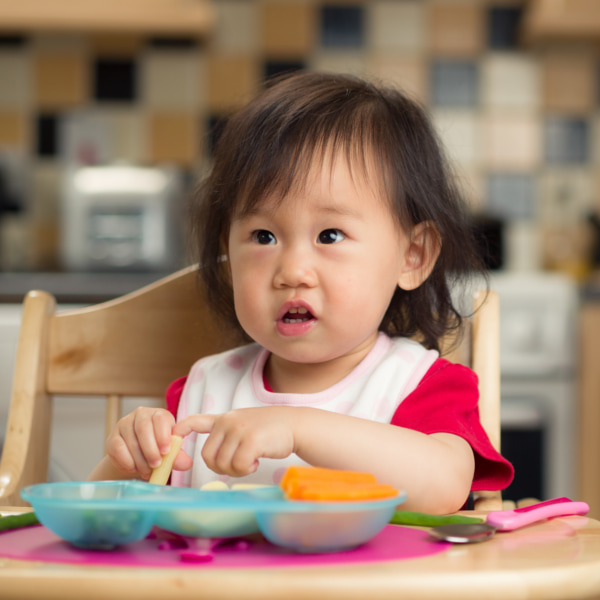
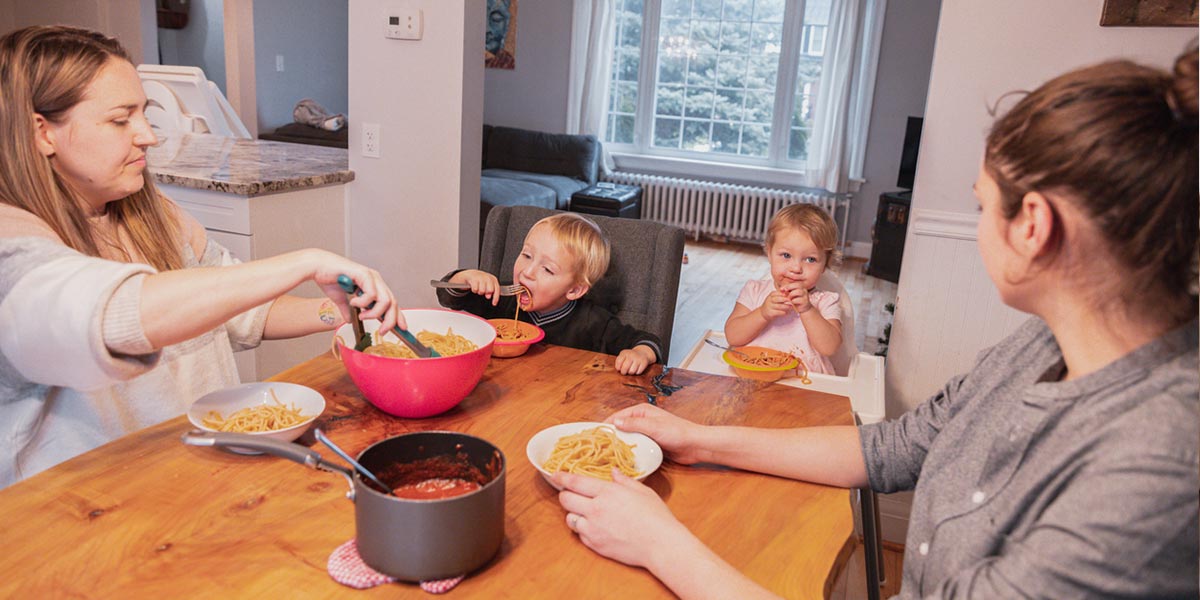
Food and eating can be really enjoyable for your toddler, especially if you set a good example as a family by all eating in the same way, and trying to eat together. This may mean you need to take a look at what you’re eating too!
For more information on introducing your wee one to solid food when they’re six months old, check out our section on weaning and first foods.
How much is enough?
The amount your little one eats depends on their size and how much they run about. Toddlers grow more slowly than babies, but they still have growth spurts – often around the time they start to walk or after they’ve had to fend off an illness. Toddlers can eat everything in sight one day and pick like a bird the next. Provided they’re growing at a healthy rate, there’s no need to worry.
The same applies if they seem to live on just a few foods; keep offering new foods and try to encourage but not force them to try. As long as a range of healthy choices are on offer, most kids seem to balance their food intake over time.
Little and often
Most kids like to eat little and often. That’s because they have small stomachs so it’s easier for them to cope with three small meals and 2 to 3 small snacks rather than 3 big meals. It’s important that they don’t feel overwhelmed and that you spot when they’re full. As long as you’re not filling them up with sweets or drinks between meals, you’ll soon get to know their eating pattern.
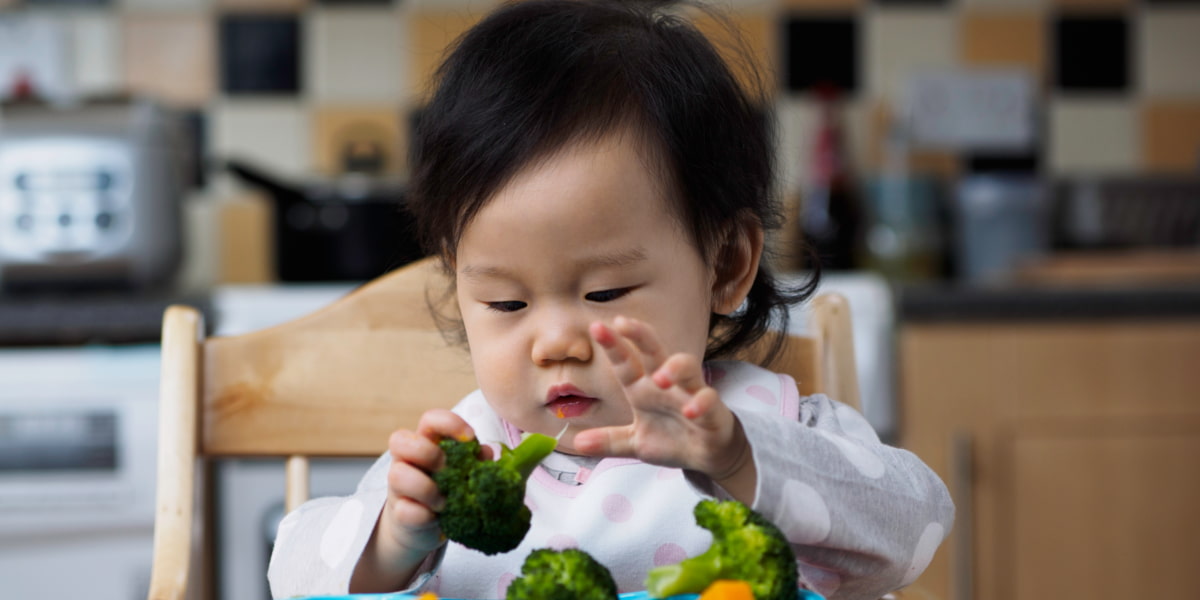
Creating a balanced diet
Your child needs foods from 5 main groups every day to maintain a healthy diet, and here’s how to ensure they get them. There’s plenty of choice – even for the fussiest eaters!
Pasteurised full-fat milk and dairy food
Milk, cheese, yoghurt, fromage frais, milk puddings, tahini and calcium-enriched milk alternatives are needed for strong bones and teeth.
Remember that children can drink pasteurised whole full fat or semi-skimmed cows', goats' or sheep's milk once they turn one, so you don't need to use infant formula after that point. You can find out more about milk and other drinks here.
Any yoghurts and fromage frais given to children aged 1 up to 5 years should be plain and unsweetened.
Servings per day: 3.
Meat, fish, eggs, beans, nuts and other non-dairy sources of protein
Lean meat, white fish, oily fish, chicken, eggs, nuts (particularly peanuts) and pulses (beans, peas, lentils), Quorn™ and tofu are needed for growth and repair.
Servings per day: 2-3 portions if vegetarian sources.
Bread, rice, potatoes, pasta
Rice, bread, pasta, breakfast cereals, potatoes, sweet potatoes are needed for energy and a healthy digestive system.
Servings per day: 4 (ideally including some wholemeal and wholegrain varieties).
Fruit and vegetables
Apples, pears, satsumas, grapes cut lengthwise, melon, plums, mangoes, bananas, tomatoes, carrots, courgettes, mushrooms are needed for general health and healthy immune and digestive systems.
Servings per day: Aim for 5 a day, of which 2 should be veg – fresh, frozen, canned and dried all count.
Oils and spreads
Use vegetable oils such as olive or sunflower oil for cooking, and vegetable margarine (e.g. sunflower) on bread or toast fingers. This is needed for energy, absorption of vitamins A, D and E.
Servings per day: Babies up to age 2 need high-energy foods for brain development, so more fat is needed in their diets. After that they can gradually move to a lower-fat diet, the same as the rest of the family, as recommended in the Scottish Government's Eatwell Guide.
Things to avoid
Try to keep away from the following:
- Sugary foods and drinks can cause tooth decay. Examples include sweets, biscuits, cakes, sugar-coated cereals, doughnuts, fruit squashes (diluting juice), fizzy drinks, fruit juices and smoothies. In children over the age of 1, it's best to swap these for water or pasteurised whole or semi-skimmed cows', goats’ or sheep’s milk. Our page on snacking has some ideas for healthy snacks you can try.
- Rice drinks shouldn't be given to children up to 5 years of age due to concerns about the levels of arsenic.
- Salt – too much can cause kidney damage and lead to high blood pressure. It's found in crisps, salted snacks, bacon, ham and other processed foods such as breakfast cereal. On average, children aged 1 to 3 years should aim to have no more than 2g of salt per day, and children aged 4-6 years no more than 3g of salt per day.
- Caffeine stimulates the central nervous system and leads to over activity. It's found in coffee, tea, cola and some fizzy drinks.
- Shark, marlin and swordfish should be avoided until 16 years of age (due to high levels of mercury in these fish which can affect children's nervous systems). Unlikely to be on the menu we know, but just in case!
- Raw shellfish shouldn't be given to babies because it increases the risk of food poisoning.
- Babies and children should not have raw, unpasteurised milk and dairy products, such as cheese made from unpasteurised milk, due to the increased risk of food poisoning.
Vitamins and minerals
It's important that children aged from 1 up to 5 years are given a wide range of foods that are good sources of iron. Iron comes from a variety of both animal and plant sources including red meat, fish, poultry, beans, pulses, dried fruit, fortified breakfast cereals and dark leafy vegetables.
You can find out more about why minerals are important and which foods contain them on the NHS Inform website.
You can find out more about why vitamins are important and how you may be able to get free vitamin D supplements on our page on vitamins.



 Behaviour
 Activities & Play