 Activities & Play
 Behaviour
 Childcare
 Children's rights
 Development & Growing Up
 Family, Friends & Relationships
 Feeding Your Baby
 Food & Eating
 Health & Safety
 Mental Health & Wellbeing
 Money & Work
 Online Behaviour & Safety
 Pregnancy & First Days
 School & Education
 Sleep
Sleep


Jump to a section in this article
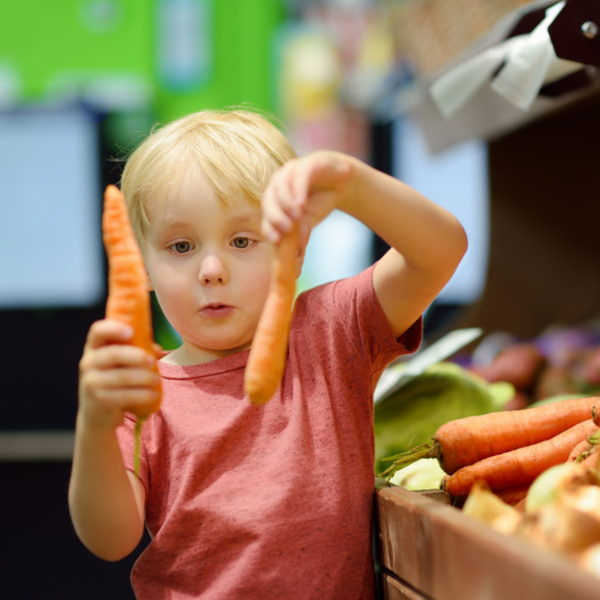
Sometimes do you dread the words ‘I’m hungry’? Especially if they come shortly after your kid’s left half their lunch on the side of their plate! Here are some tips for keeping everyone fed throughout the day, and for getting the kids involved in planning and preparing meals – which means they’ll be more likely to eat them!
Tips for feeding hungry tummies
Tip #1: Have meals and snacks at set times
Children like to have routine. To avoid continual grazing throughout the day, try to establish set times for meals. Our page on making daily life easier has more tips to help you structure your day.
Tip #2: Include healthy snacks in your meal plans

Children need to eat regularly, so they do need snacks in between meals. Snacks don’t need to be big, and snacks that include fruit and veg can be fun and tasty. Here are some ideas:
- Plain popcorn - making your own is easy, cheap and fun!
- Plain, unsweetened yoghurt with frozen fruit
- A picnic plate with a choice of fruit, veg, cheese and meat
- Pitta bread, plain crackers or oatcakes or can also be used for dipping or with toppings
- Toast or pancakes
- Boiled eggs
You can find more ideas on our page on healthy snacking.
Remember that little ones can choke on small foods like nuts and grapes. Read our page on choking to see what you can do to prevent this.
Tip #3: Eat together
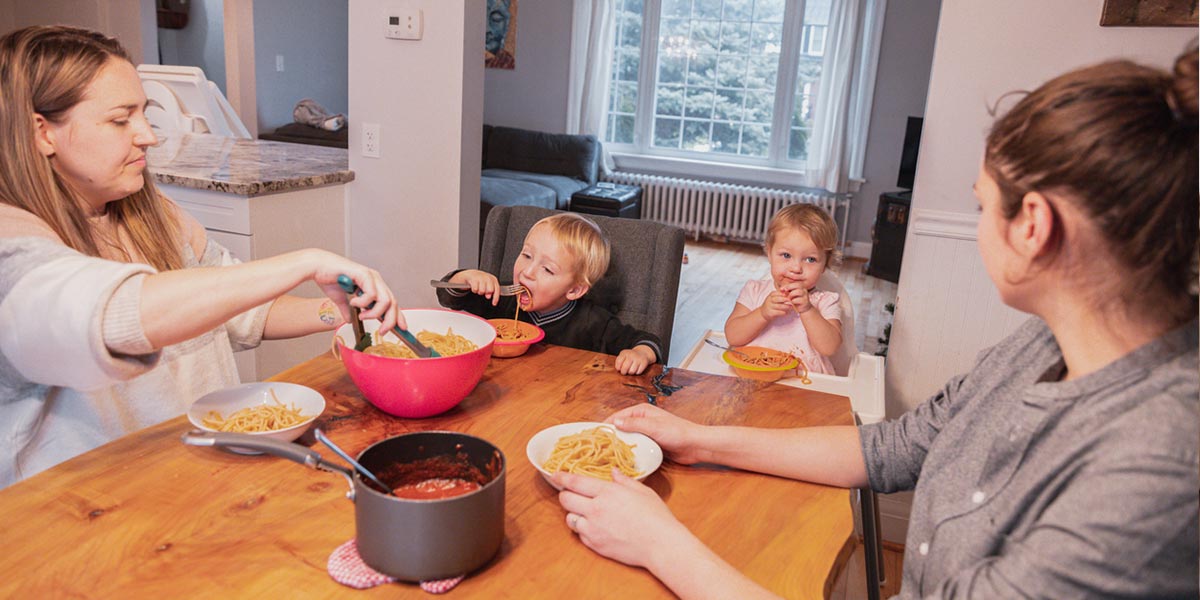
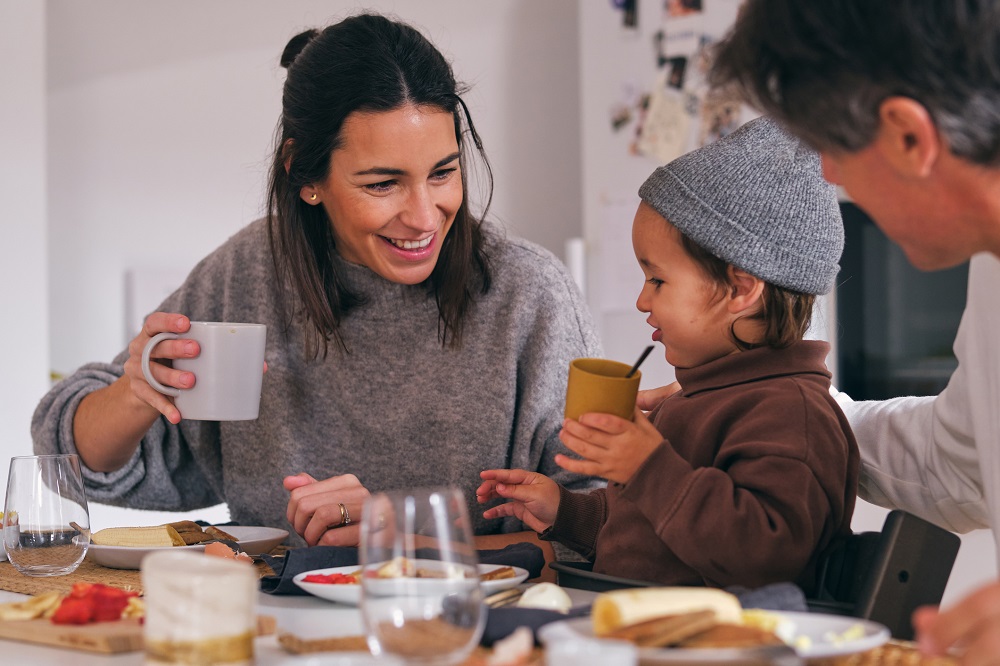
Children like to copy their parents, so they’re more likely to eat a meal if you’re also eating it with them. Make sure you offer them a drink if you are having one.
Tip #4: Drink up
Often when you feel hungry it can be because you’re actually thirsty, so it’s important to make sure kids drink water regularly. Many children take water bottles to schools, so why not do this at home? Or you could set up a table with jugs and cups on a tray so they can help themselves – they could even make a sign, so they can pretend they’re going a café. By making it fun, they’re more likely to drink more often.
Water can be made more exciting by adding some fresh or frozen fruit or vegetables like lemons or cucumber, or letting them to make their own fruit ice cubes using sliced or puréed fruit.
Tip #5: Have some milk
You can also offer them milk and dairy free alternatives as a drink but be careful not to let them fill up on these and be too full for their meals. Try to avoid flavoured milks and dairy free milks with added sugar.
At nursery your child is usually given a third of a pint of full fat milk, which is around 190ml. It will really help support your child’s growth if you give them this same amount of milk each day they're not in nursery, if you can.
Our page on milk and other drinks has more advice on the kinds of milk they can have and what you should avoid.
Top tips from parents
"Chop up different kinds of fruit and veg at the start of the week and keep it in the fridge so the kids can always have a healthy snack."
"When my son tries to avoid veggies, I’ve come up with a few ways of making sure he still gets some by blending them into my ‘go-to’ pasta sauce. By mixing together tomatoes, garlic, peppers, grated carrot, mushrooms, celery and stock, I cook up big batches up of this sauce and divide it into jars to use in a range of recipes throughout the week. In my experience, it is much easier to try and get inventive with food rather than have fights at the dinner table every day."
Getting the kids involved
Hands up if your wee one will only eat 3 things? Getting the kids involved in planning and preparing meals is a great way to get them more interested trying new foods. If they’ve helped cook it, they’re far more likely to eat it!
You can find more tips on our pages about fussy eating.
Tips for getting the kids involved
Tip #1: Plan together
Children are more likely to try new foods if they’ve been involved in planning and making them. Planning what you will all be eating together each day means there are no surprises and when they ask for something to eat you don’t need to think on your feet.
Tip #3: Get the kids to help
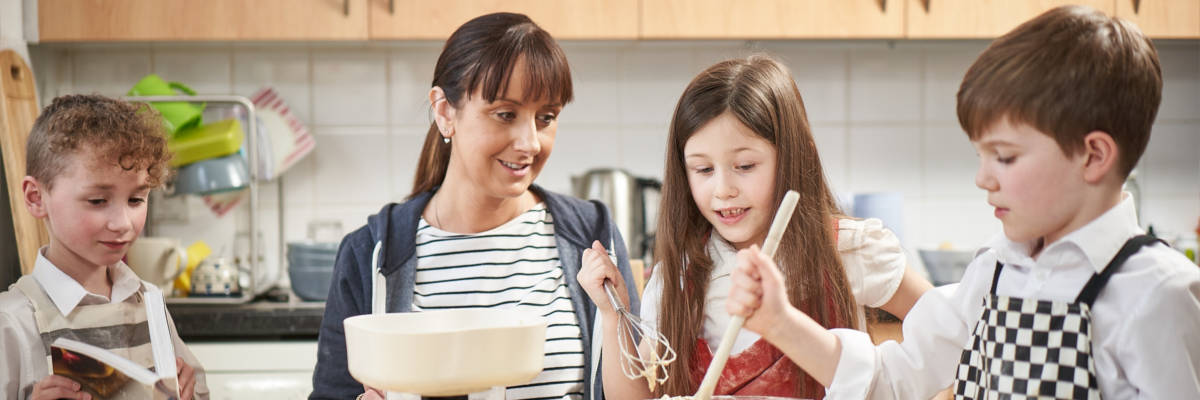
If the kids have never helped you in the kitchen before, now’s the time to start! Letting children make their own food makes them feel grown up and responsible, even if this is just preparing a snack or pouring drinks for each other. Can they make a sandwich? Or cut up fruit and vegetables (with adult supervision) to make a colourful plate of snacks or a meal?
You can find more tips for getting toddlers involved in food prep here and our page on cooking with the kids has lots of ideas for getting children of all ages involved.
Tip #4: Pretend restaurant
To make mealtimes more interesting, why not recreate the restaurant experience in the house? There are lots of ways the kids can get involved in this: they could think of a name for your restaurant, write out menus, set the table, dress up as waiting staff. You could even set up some mood lighting!
Tip #5: Great Big Bake Off
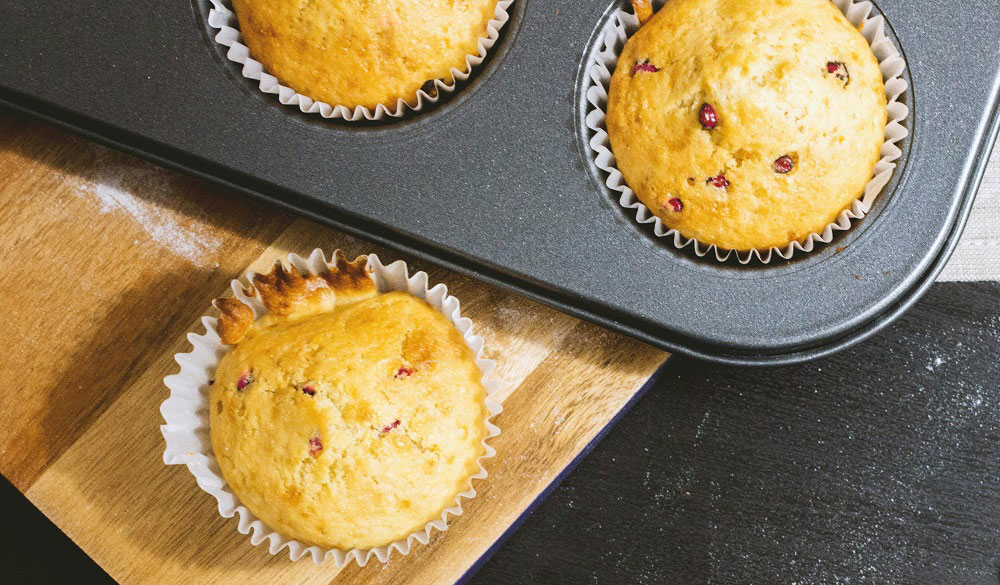
Baking is always a fun activity for children and there are lots of simple, healthier recipes here on the Parent Club website to get you started. Some of our favourites include:
- Banana bread
- Raspberry oatie cookies
- Cranberry and orange muffins (swap in any other fruit)
- Cinnamon and berry bars (leave out the dried fruit if you don’t have any)
Tip #6: Cookin Castle and Crazy Kitchen
Want to keep the kids busy and help them learn about cooking, food safety and nutrition? Check out the online games Cookin Castle and Crazy Kitchen from Food Standards Scotland.
Top tips from parents
"Get your kids involved in the cooking process – I’ve found that they’re more likely to eat new meals if they’ve helped make it."
“My kids and I like to sit down together and plan meals for the week ahead. Meal planning is a great way for the kids to see the entire process of cooking from scratch. My kids love to go to the shops with me and choose the kinds of fruit and veg we will have. The kids also help me prepare recipes so that they can see how you can take a raw ingredient and use it to make soup, chilli or a sauce. It gives them a great perspective into how the cooking process works.”
Some simple meal ideas
Use our recipe finder to look for dishes that use the ingredients you have in your kitchen.
Here are some of our favourite Parent Club recipes:
Top 'fakeaway' recipes
If the kids are crying out for a takeaway, why not try one of these healthier alternatives? And even better, these are often cheaper than getting a takeaway!
“Try making a 'fakeaway' – our favourite is homemade chicken goujons and fish fingers. They’re much healthier than the fast food version and so simple to make. Plus, you can make them ahead of time and freeze them to use later."
Feeding your baby
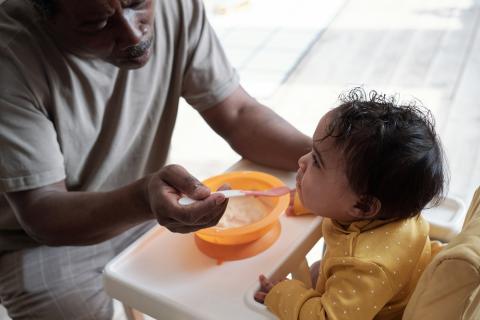
If your little one is under 12 months old, the best nutrition you can give them is breast milk. If you’re formula feeding, first stage formula should be used for babies up to 6 months old. After 6 months, they can have follow-on milk and after 12 months full fat milk can also be introduced into the diet.
For more information about weaning and first foods visit our first foods articles.
Tips for making healthy choices
If you're aiming to make more healthy choices when you're shopping or cooking, the Eat Well, Your Way website from Food Standards Scotland has lots of helpful tips.


 Behaviour
 Activities & Play