 Activities & Play
 Behaviour
 Childcare
 Children's rights
 Development & Growing Up
 Family, Friends & Relationships
 Feeding Your Baby
 Food & Eating
 Health & Safety
 Mental Health & Wellbeing
 Money & Work
 Online Behaviour & Safety
 Pregnancy & First Days
 School & Education
 Sleep
Sleep


Jump to a section in this article
Even though your baby is trying solid food, most of what they need will still come from milk – breast or formula should still be their main food until they’re at least 9 months, so keep feeding your baby as usual. In time, there will be other drinks they can choose. The big question is what and when. We have some tips and advice that can help.
How long should I continue to give my baby breast milk?
Breastfeeding will benefit you and your baby for 2 years and beyond or as long as you choose to continue. It’s clever stuff and changes as your baby grows to adapt to their needs. For protecting your little one against bacteria, viruses and building up their immune system, there’s nothing better.
How long should I continue to give my baby formula milk?
If you're using infant formula to feed your baby then this is only needed up until your baby is one. Once your wee one turns one, you can give them pasteurised whole or semi-skimmed cows', goats’ or sheep’s milk as a drink. There is no need to continue with any infant formula past 12 months of age, unless your doctor, health visitor or another medical professional advises you to do this.
When can I introduce cows' milk?
You can use pasteurised whole cows' milk for mixing in cereals or for cooking sauces and puddings after your baby is 6 months old.
When can I introduce other milk drinks for my baby?
Once your wee one turns one, you can give them pasteurised whole or semi-skimmed cows', goats’ or sheep’s milk as a drink. Along with water, this should be the main drink for children aged 1 to 5.
Pasteurised skimmed and 1% milk aren't suitable as a main drink for babies and children under the age of 5, but you can use them in cooking from age 1.
Can I give my baby water?
Water is the best drink to have alongside their normal milk and the only drink which is safe for teeth (if they have any) to have between meals. Tap water is best as sweetened, flavoured or carbonated water has way too much salt and minerals. Babies under 6 months only need milk but if you choose to give them water always boil and then cool the water first.
Can I give my baby fruit juice?
Fruit juices are a good source of vitamin C but they are acidic and high in free sugar, which isn’t so good for tiny teeth. If you do give your child fruit juice, it should only be given in small amounts (no more than half a cup is perfect), be unsweetened, and diluted (1 part juice to 1 part water is a good guide). Only give them fruit juice at meal-times in a free-flow cup, never in a feeding bottle.
Remember, babies and children shouldn't be given any drinks with added sugar – the best drink for them is breast milk, pasteurised whole or semi-skimmed milk or water.
Drinks to avoid
- Soya-based infant formula should only be used on the advice of a specialist paediatric dietician or paediatrician in rare medical circumstances. It’s usually high in free sugars that are bad for your wee one’s teeth. Also it’s helpful to note that the vitamin D in soya milk is usually not vegan.
- You should not give your baby cows', goats' or sheep's milk as a drink before they are 12 months old as they don’t have the right mix of nutrients for your baby and can give them really serious tummy upsets. But you can use these milks in cooking.
- Plant based drinks (such as oat, soya, almond and coconut) aren’t advised for young children as they contain fewer essential vitamins such as iodine and can contain high amounts of free sugar. Some of them are fortified but also may be sweetened.
- Rice drinks should not be given to children up to 5 years of age due to concerns about the levels of arsenic.
- Sugary, diet or no added sugar fruit squashes, energy drinks, fizzy drinks and flavoured milks and yogurt drinks are not suitable for babies or toddlers. They have few nutrients, are damaging to teeth, and can fill your baby child up, reducing the amount of healthier options they eat in a day.
- Baby fruit and herbal drinks are a no-go too as they are usually sweetened. The same goes for tea and coffee which can upset tiny stomachs, act as stimulants and have no nutritional value.
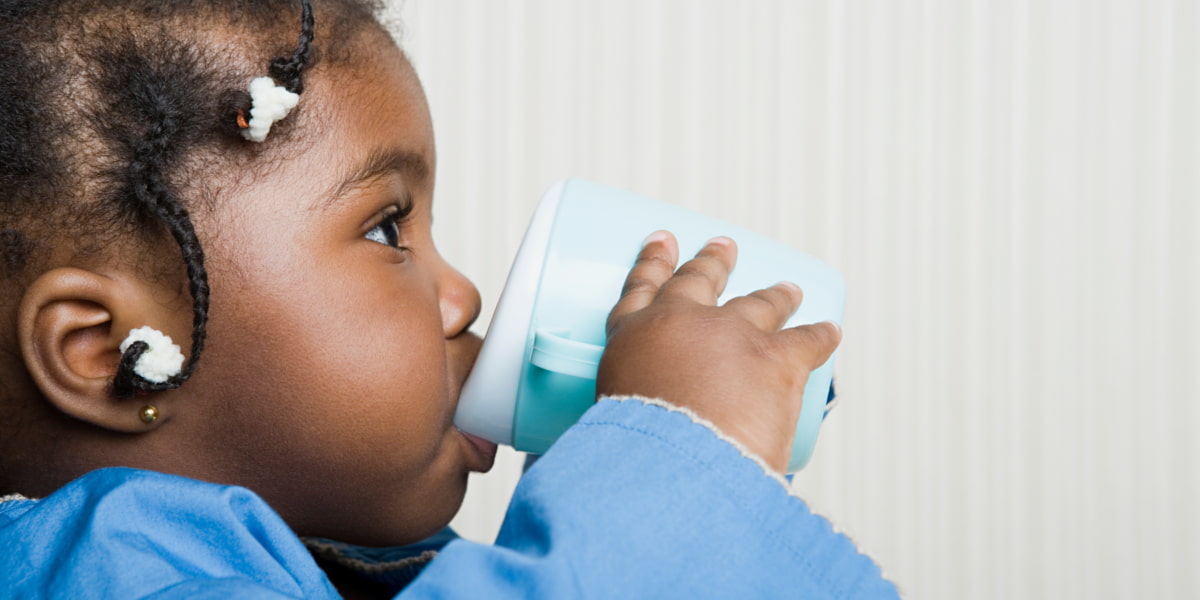
When should babies start using cups?
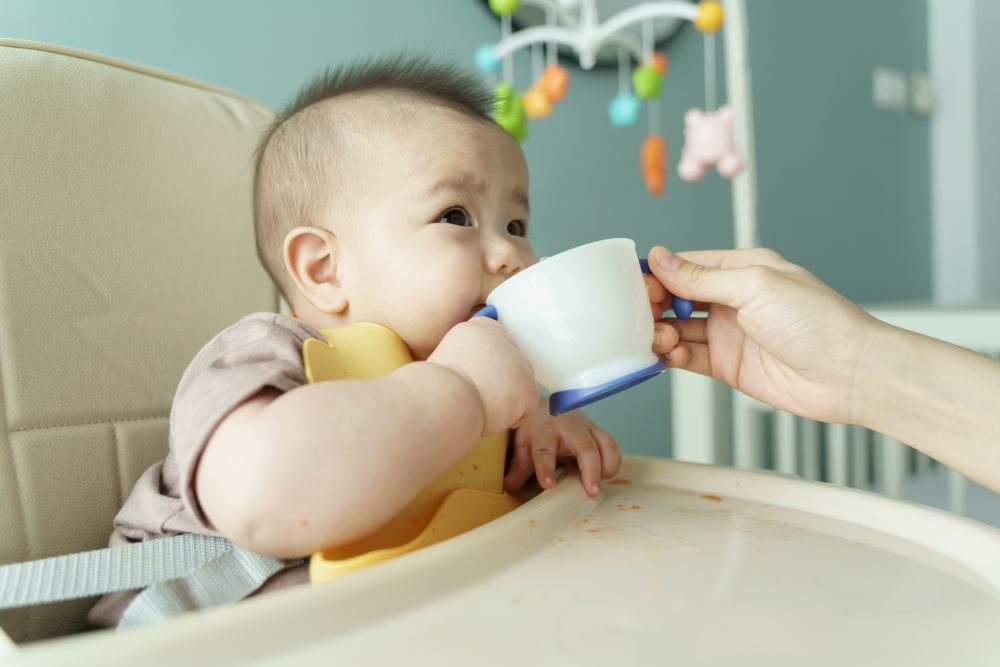
From 6 months you should continue to breastfeed as normal, offering tap water in a cup with meals to get your baby used to drinking from a cup and drinking water - 6 months is the magic number if you’re formula feeding too. You might need to help them hold the cup before they can do it all by themselves or it could get messy - especially as they have to learn to sip not suck.
If the cup has a lid, make sure the water can drip out if turned upside down; this is known as a free-flow cup which is given out as part of the Childsmile Programme. Avoid non-spill (valve) cups as they encourage your baby to suck rather than sip which can lead to speech problems.
Tips from parents
"At this age, food is all about fun and learning so no need to worry about whether they are eating enough. Their milk is enough at this age."
What is weaning?
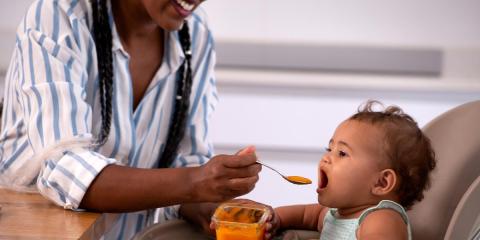
What can my baby eat from 6 months?
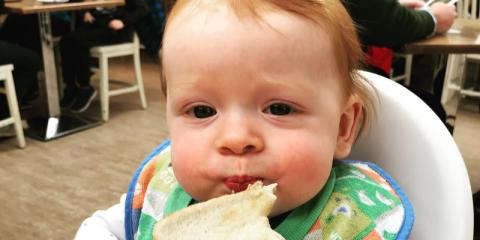
What to expect when you try first foods
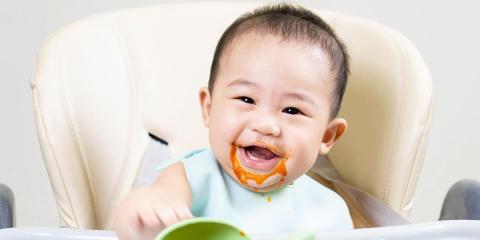
Safety first for first foods: preparing, storing and reheating food
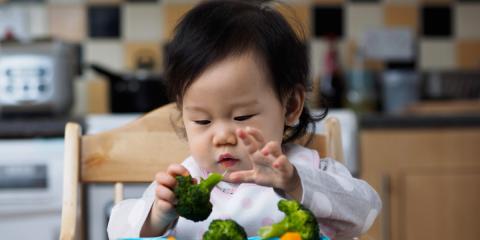
Choking
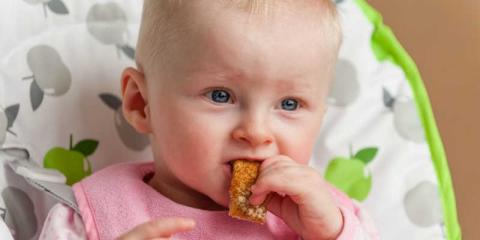
Gagging
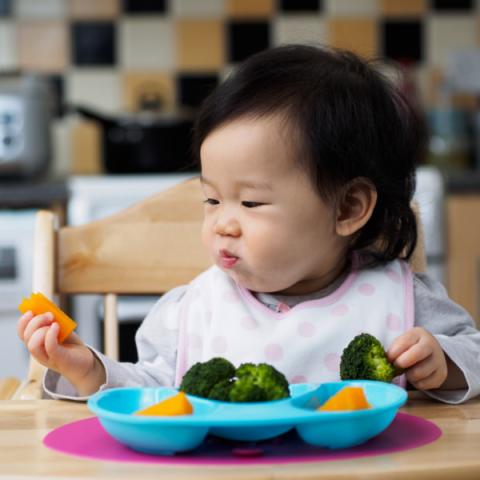
When introducing first foods isn't going to plan
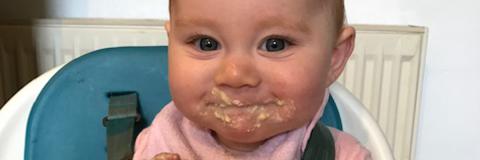
The benefits of first foods at 6 months
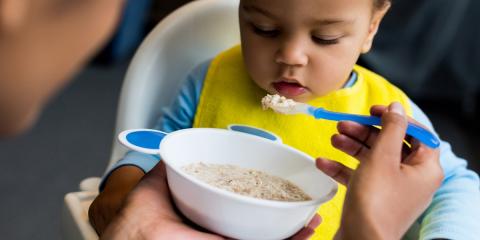
Guide to introducing first foods at 6 months
Guide to giving your baby solid foods at 7-12 months
Guide to giving your baby solid foods at 12-15 months
 Pregnancy & First Days
 Sleep
Sleep