 Activities & Play
 Behaviour
 Childcare
 Children's rights
 Development & Growing Up
 Family, Friends & Relationships
 Feeding Your Baby
 Food & Eating
 Health & Safety
 Mental Health & Wellbeing
 Money & Work
 Online Behaviour & Safety
 Pregnancy & First Days
 School & Education
 Sleep
Sleep

Jump to a section in this article
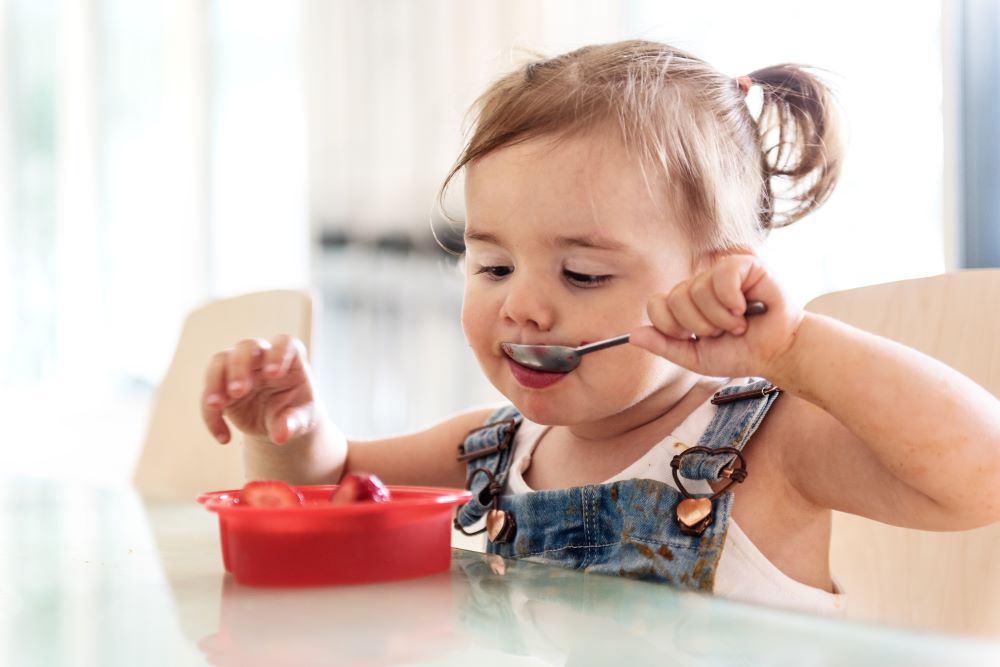
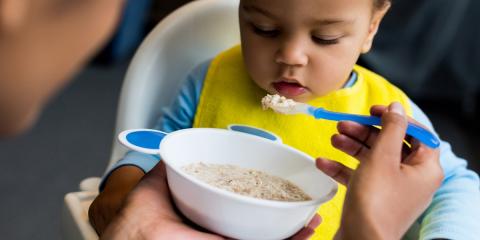
By now they’ll be used to sitting down and eating meals. They might not eat everything up, as they’re still getting used to new textures and tastes.
What kind of foods can babies eat from 12-15 months?
In general, at this age children can eat the same things as you, so try to gradually introduce as many different foods, flavours and textures as you can. All children are different, and some children may accept new foods more quickly than others, so the key is patience! They may not always like the things you offer them at first, but keep trying! Just make sure everything you feed your wee one is low in salt and sugar.
Here are some things to remember:
- Try to avoid adding salt when you're cooking or serving food, and try to limit foods that contain salt, like crisps and other snacks.
- Try to avoid foods with free sugars in. Free sugar is any sugar added to a food or drink, or that is already in honey, syrup and fruit juice.
- The main drink for your child at this age should be pasteurised whole or semi-skimmed milk or water, as well as breast milk if you're still breastfeeding.
- It's important that once they turn one, they're given a wide range of foods that are good sources of iron. Iron comes from a variety of both animal and plant sources including red meat, fish, poultry, beans, pulses, dried fruit, fortified breakfast cereals and dark leafy vegetables.
- Offering children unfamiliar fruit and vegetables, including those with bitter flavours, over and over again (as much as 10 times or more) can help them get used to them. Some examples of bitter vegetables are broccoli and cauliflower.
How to prepare the foods?
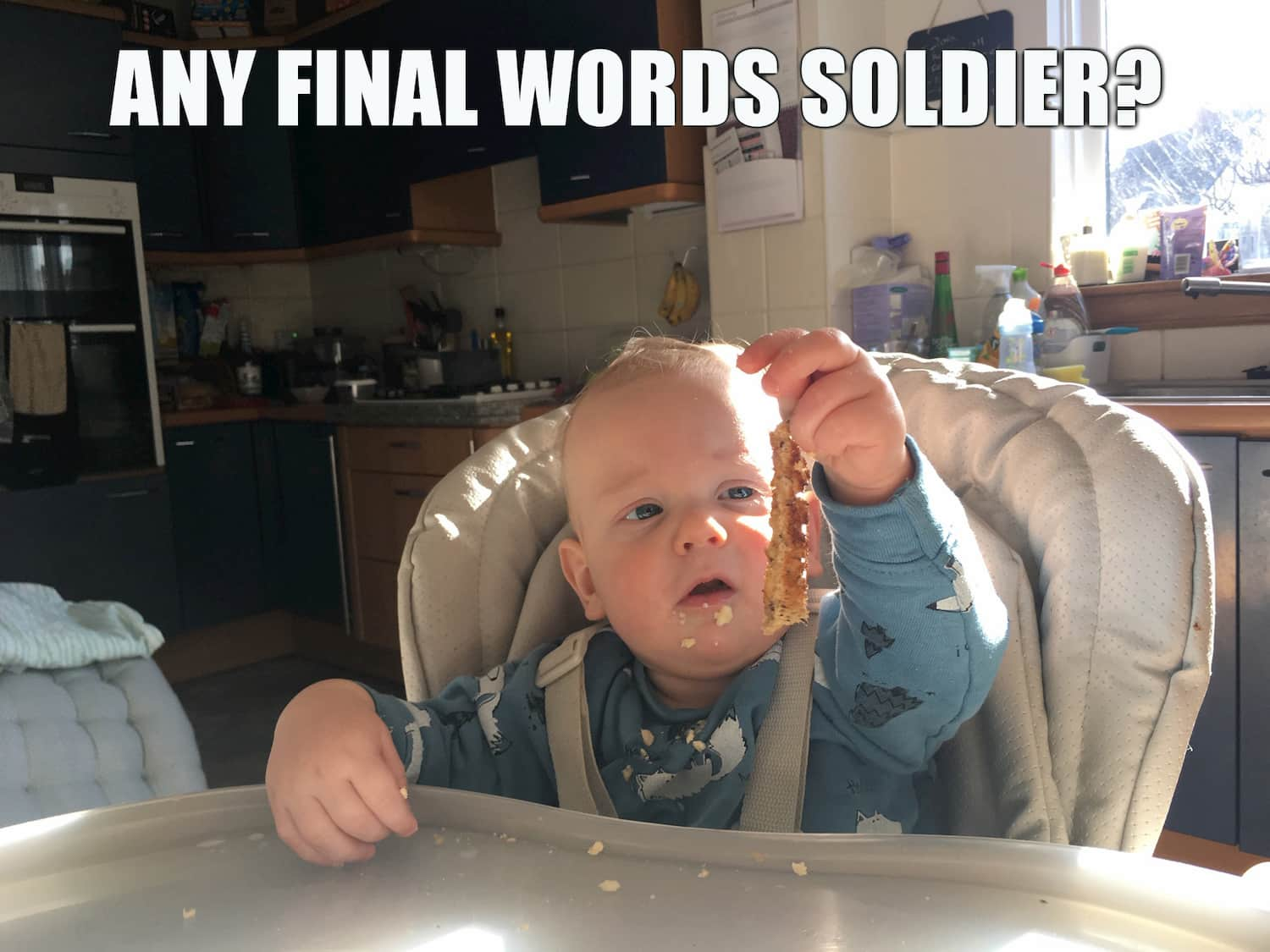
Try sitting down as a family and eating the same meals together. We have some great ideas to help you eat as a family. You can chop up your meals into small pieces for them and using a spoon they can get used to feeding themselves. Just make sure it has cooled down.
Easy first food recipes
How much does a 12-month-old eat?
They are still very little with small tummies but are growing quickly so most will need 3 small meals at this stage. It’s also time to start adding in 2 fruit or veg snacks, one at a time. Try offering between 6-8 teaspoons of cut up food, or a couple of pieces of soft finger foods. It’s all about getting used to foods – so try not to worry if they don’t eat or spit food out.
When to feed your baby
The guide below is just to give you an idea of when and how much but you might find that they need even more. Always trust your instincts and go at your baby’s pace.
- Along with their usual milk feeds, your baby can now have three meals a day (breakfast, lunch, and tea).
- Around this age, your baby might have about 3 milk feeds a day (for instance, after breakfast, after lunch, and before bed) but every baby is different so just keep responding to your own baby’s needs and pace.
- If you're breastfeeding, your baby will change the amount of your milk they are drinking as they are getting more solid foods but every baby is different so just keep responding to your own baby’s needs and pace.
- As a guide, babies fed infant formula will drink about 400ml daily.
- Remember that all breastfed babies should be offered vitamin D supplements and formula-fed babies should take extra vitamin D if they're having less than 500ml of formula a day.
Tips from parents
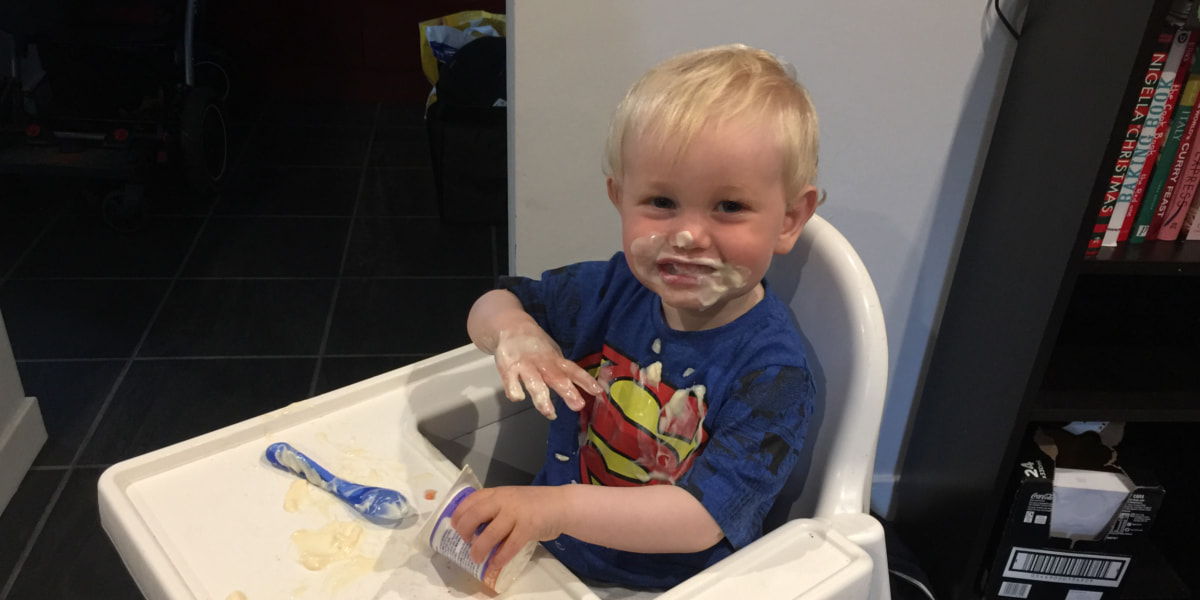
"Buy a big shower curtain to sit the plastic highchair on (that you can hose down!)".
What is weaning?
Safety first for first foods: preparing, storing and reheating food
What to eat: first foods, textures and tastes
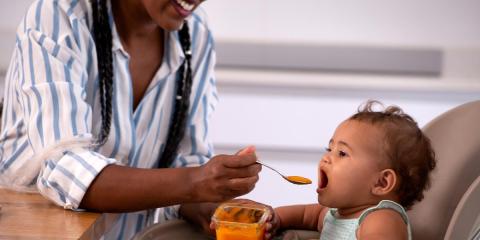
What can my baby eat from 6 months?
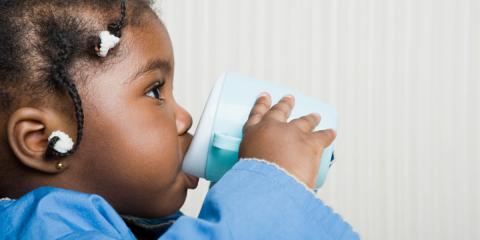
Milk and other drinks
First foods on a tight budget
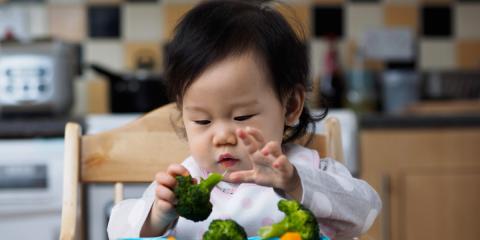
Choking
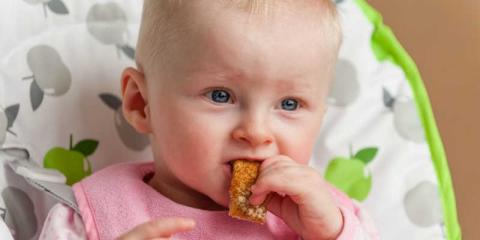
Gagging
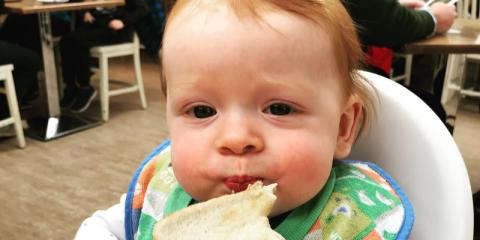
What to expect when you try first foods
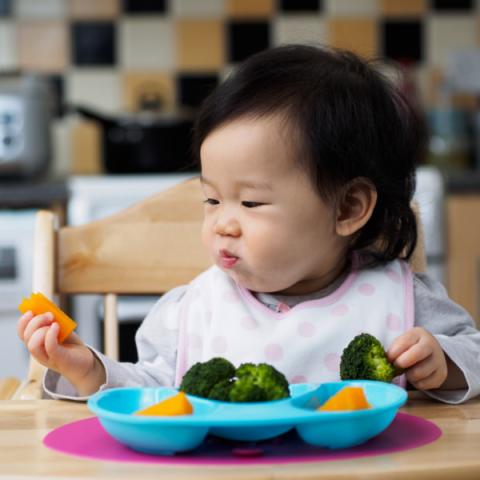
When introducing first foods isn't going to plan
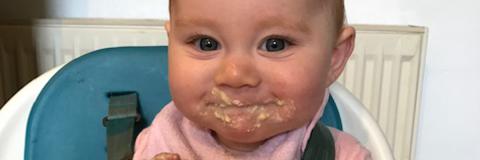
The benefits of first foods at 6 months
 Pregnancy & First Days
 Sleep
Sleep