 Activities & Play
 Behaviour
 Childcare
 Children's rights
 Development & Growing Up
 Family, Friends & Relationships
 Feeding Your Baby
 Food & Eating
 Health & Safety
 Mental Health & Wellbeing
 Money & Work
 Online Behaviour & Safety
 Pregnancy & First Days
 School & Education
 Sleep
Sleep

Jump to a section in this article
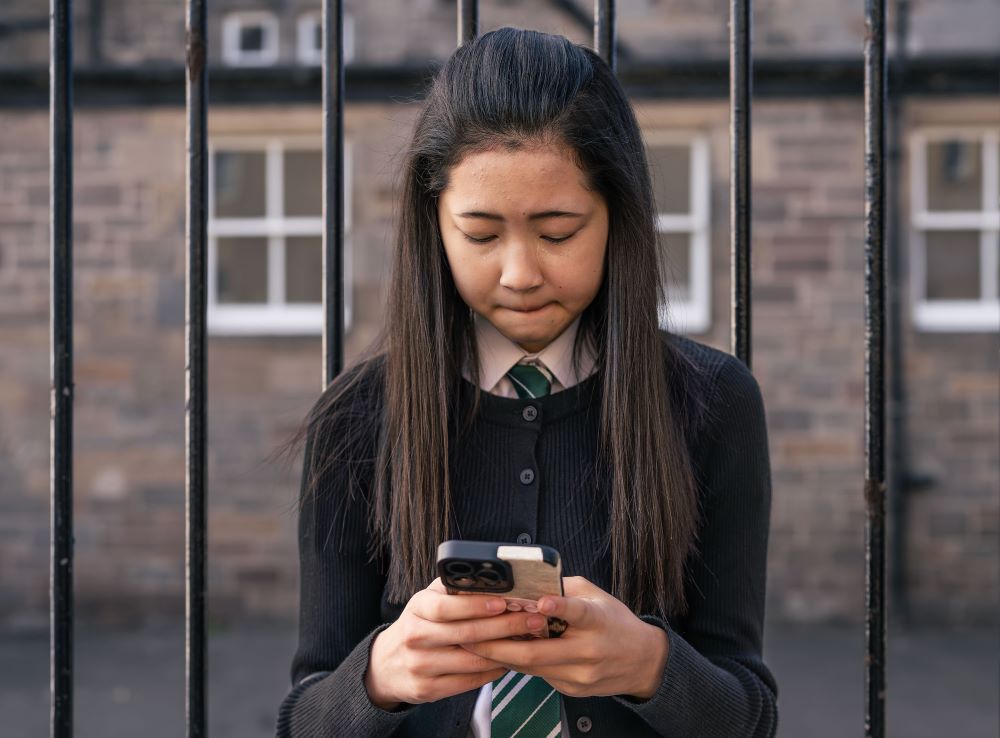
Kids sometimes say they don’t want to go to school. It’s a perfectly normal part of growing up, as they start pushing boundaries and become more independent. And it’s also natural for children to sometimes be anxious about school, like when they start a new year or have exams. But if they’re constantly upset, worried, crying, screaming or refusing to go to school, that’s different.
This can be really difficult and upsetting for the whole family. So here we look at what you can do to support your child if they’re refusing to go to school.
Why is my child refusing to go to school?
There can be many reasons why your child may feel they can't go into school, including:
- problems fitting in or making friends
- difficulties with teachers or other school staff
- concerns in other parts of their life that affect how they feel about school
- feeling unsafe
- not being able to learn in the way that suits them best
- having mental health and wellbeing concerns which make school a hard place to be
- finding the environment overwhelming, frustrating or exhausting, particularly if they are neurodivergent
- feeling anxious about schoolwork
- feeling that school has nothing to offer them, and that being there is a waste of time.
It may be that a combination of different reasons are making your child feel reluctant or unable to go to school.
Getting to the root of the problem
Your child may not feel able to tell you why they can’t to go to school, so it’s important to think about whether anything has changed or is different. For example, have they just moved into a new class? Have they stopped talking about or seeing certain friends, or are they avoiding their phone all of a sudden? Are they worried about getting into trouble? Here are some things to consider:
- All children worry about school sometimes, particularly if they’re starting a new school or a new year, or have tests or exams. Our pages on helping your child with worries about primary school and starting secondary school have tips to help you calm every day nerves.
- If they’re having problems with their friends (for example, if they’re finding it hard to make or keep friends) this page may help younger children and you can find advice for teens here.
- If your child finds the social side of school stressful (for example, if things like going to parties or socialising in big groups makes them anxious) our page on helping teens with social anxiety may help.
- If you’re worried they’re being bullied, you can find information and advice here. Our pages on talking to your child about racism and LGBT+ issues also look at what to do if your child is being bullied because of the race, sexuality or gender identity.
- If you think they may have additional support needs that aren’t being met, our page on support for learning has more information.
- If you think they may be autistic or have ADHD or neurodivergent in another way, our page on neurodivergence has further information and advice and signposts to sources of support. We also have advice on helping neurodivergent teens with anxiety here.
- If you think something they’ve seen online may have upset them, our page on what to do if your child has a negative experience online may be of help.
- Our page on making the most of social media can also help if their use of social media is making them anxious or upset.
- If your child is skipping school or missing classes because they’re pushing boundaries or want to fit in with their friends, our pages on setting rules and consequences and peer pressure have information to help.
- If your child is struggling to sleep and this is affecting them at school, we have tips to help here.
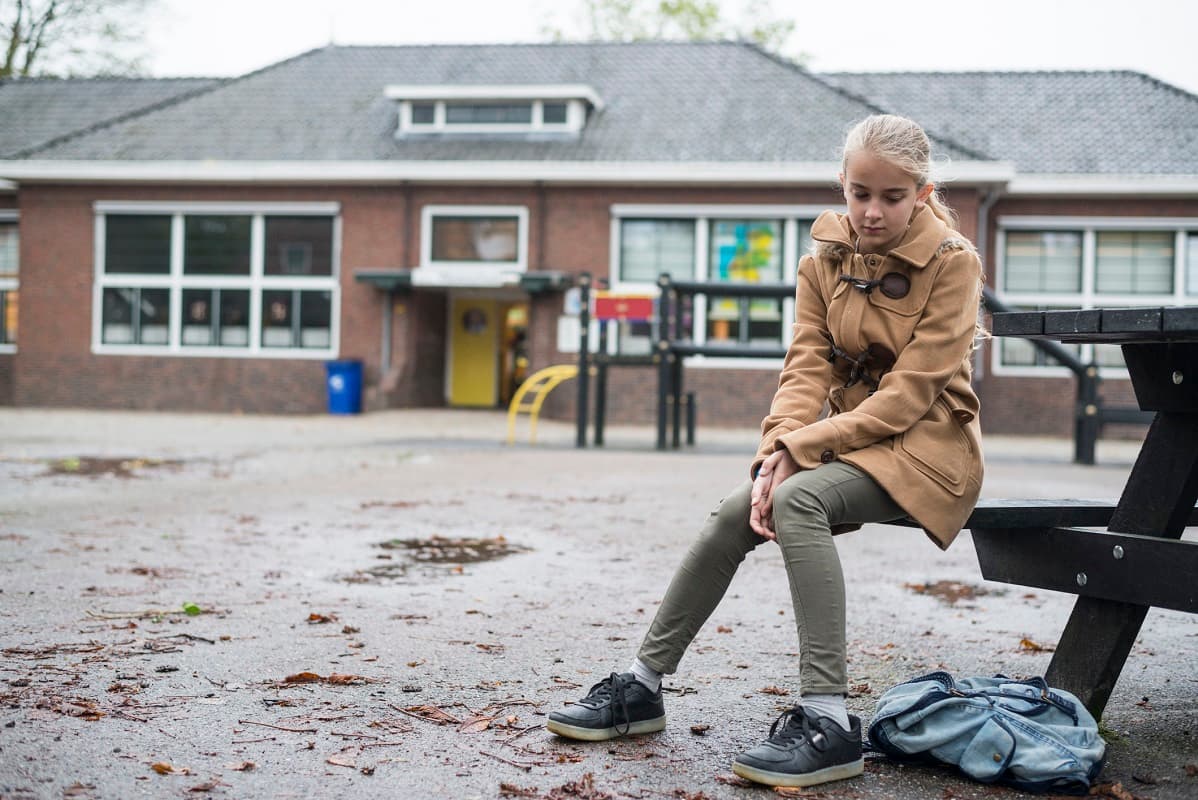
What is emotionally-based school avoidance (EBSA)?
Emotionally-based school avoidance is when your child experiences fear or anxiety about school, making it difficult for them to attend. Or they may be consistently arrive late, leave school early or avoid classes they find them particularly hard.
EBSA can sometimes be referred to as school avoidance, school refusal, school phobia, school-related anxiety and anxiety-related absence. This inability to go to school is based on high levels of anxiety and is not due to behaviour.
It can happen at any age, and it can be more common among children with additional support needs (such as dyslexia or ADHD), mental health needs, those who have been bullied or experienced trauma. It can be stressful for your whole family, and difficult to cope with, especially if you need to take time off work to look after them or take them to school.
In this short video, Educational Psychologist Brigitte Short explains what emotionally-based school avoidance is and how you can support your child if they’re unable to go into school.
How do I know if my child is feeling anxious about school?
It may not be as simple as a point blank refusal to go to school. Your child may not be able to tell you what’s bothering them at school, so it’s important to look for any signs. Signs that your child may be feeling scared or anxious about school include physical, behavioural or emotional symptoms.
Physical signs (when there is no obvious cause)
- sore tummy, headaches or feeling sick or shaky
- tightness in the chest and throat
- changes in heart rate.
Behavioural signs
- being unusually clingy or tearful
- having bad dreams, trouble sleeping or getting to sleep especially on school nights
- a change in behaviour, either by becoming more withdrawn or acting out more
- changes in appetite
- not wanting to get up, get ready or go to school
- always seeking reassurance
- seeming restless and on edge
- not washing or looking after themselves as they usually would
- feeling able to do things at weekends or during school holidays, but really struggling during the school week
- not doing schoolwork or not managing to keep up with work at school
- starting to wet the bed
- showing a lack confidence to try new things or seeming unable to face simple, everyday challenges
- finding it hard to concentrate
- having angry outbursts.
Emotional signs
- getting upset, stressed, crying or screaming when they’re getting ready to leave for school
- feeling fearful and scared
- being irritable and short-tempered
- feeling worried and sad
- having a lot of negative thoughts, or keep thinking that bad things are going to happen.
How do I tell the difference between everyday school worries and anxiety?
Most children and young people will feel worried about school at some point, whether it’s due to not getting on with their friends or the pressure of exams.
But just because they’re worried doesn’t mean they can’t attend school – often, going to school can help them feel better and ease any concerns.
Missing school can lead them to falling behind with work and to feel left out from their friendship groups, which may make them even less likely to want to go in, and could result in them feeling even more anxious. Our tips for helping your child if they’re struggling to be in to school have advice for talking to them about their worries and strategies for reducing their worries. You can also find advice for supporting your child’s and teen’s mental health here.
However, if your child seems scared and anxious all the time about going to school and these feelings don’t go away, affecting their daily life, then you may need to take further action, like speaking to the school or to your GP.
In this video, Educational Psychologist Brigitte Short explains how to spot the signs of emotionally-based school avoidance, how it can affect children and young people and what you can do to support your child if they’re unable to go into school.
What if my child just doesn't like school?
Your child may be refusing to go to school because they simply don’t like it, they find it boring or they don’t want to be there. If this is the case, they may be skipping school without your knowledge, going in but not attending classes, arriving late or leaving early.
They may be pushing boundaries to see what they can get away with – if this is the case, our page on setting rules and consequences has information to help you set firm but fair boundaries. Or they may be skipping school because they want to fit in with their friends – our page on peer pressure has advice to help in this situation.
Although skipping a day here or there may not seem that bad, the more school your child misses, the harder it may become for them when they are in class. They may start to fall behind with their work, or lose touch with their friends, so what began as ‘not liking school’ may turn into something more, like anxiety.
If your child is skipping school or classes, the school should get in touch with you to let you know. Schools are there to support all their students and help everyone make the most of school life, and that includes kids who learn in different ways or find school boring, or don’t see the point. They will want to support your child to attend school, and can help you work out ways to engage with them before it becomes an issue.
For example, they may suggest ways your child could become more involved in activities that interest them, or offer support to help them catch up with missed work. They could also look at adapting lessons so your child can learn in a way that suits them. Our page on talking to your child’s school explains more about how they can help.
If school is causing tension and arguments in your family, this can be exhausting and upsetting. Our page on dealing with conflict has advice to help.
What if my child has additional support needs?
There are lots of different reasons why children may need a bit of extra support to help them make the most of their time at school. For example, they may need additional support if they have a barrier to their learning because of a disability or health need, or because of their learning environment, family circumstances or social and emotional factors. The Enquire website has lots more information about additional support for learning.
Children have a legal right to get additional support at school if it’s needed. So if you have any concerns about how your child is getting on at school or you feel that they need extra help with their learning, the best thing to do is raise this with your child’s school as soon as you can.
If your child is getting additional support at school but is still struggling and finding it hard to go in, speak to their school as soon as possible. The support they’re getting may not be meeting their needs, or their needs may have changed since the plan was put into place. The Enquire website has lots of advice about solving problems with additional support.
If there are certain things you do at home to help your child keep calm, focus or cope with their environment, it can really help to share this with their teachers. For example, if wearing noise-cancelling headphones or playing with fidget toys helps them concentrate, or they need to take regular breaks to get up and walk around.
If your child is autistic, the National Autistic Society have a helpful guide that includes strategies and advice for managing school attendance.
What are my rights if my child can’t attend school?
If your child is off school due to an extended illness, it’s important to know that they have the right to an education and to the support they need. This means that the school must put measures in place to support your child’s learning whilst they're unwell. It also means they should provide your child with a way to keep learning while they’re off. This will vary from school to school, but could include online learning.
The Enquire website has more information on what to do if your child is missing school due to anxiety or other mental health needs, or because of physical health needs. They also have lots of information on attendance and exclusion you may find useful.
You can find out more about how your child can continue their education if they’re absent from school due to absence on the gov.scot website.
However, remember that you do need to let the school know when and why your child is off school. You can find out more about school attendance here and on the gov.scot website.

Getting help and support
If your child is unable to go to school or is refusing to go in, the best thing to do is to get in touch with the school. There are lots of ways they can help. Our page on talking to your child’s school about attendance has more information and advice about this,
As well as your child’s school and GP, there are other organisations that can offer help and support.
- YoungMinds have more information about school refusal on their website and have a helpline and webchat and email service for parents.
- Enquire provides advice and information to parents and carers whose children need additional support for learning.
Looking after yourself
School avoidance can be really tough on everyone in the family. So make sure you’re looking after yourself as well as your family – you can’t help your child if you’re exhausted and upset yourself. Here are some tips to help – you can find more advice on the BBC Bitesize website.
Tip #1: Talk to other parents in a similar situation
If you’re in this situation, you’re not alone. Lots of other families are in the same boat, and it may help to talk to them.
Tip #2: Don't be too hard on yourself
In these kinds of situations, it can be tempting to blame ourselves as parents or feel we’re not doing enough. So try to remember that by being there for your child and supporting them you’re doing so much to help them.
Tip #3: Keep talking to your partner
Keep communicating with your partner to make sure you’re agreeing on a course of action. If you’re a single parent, try to keep in regular contact with your child’s other parent, if that’s possible.
Tip #4: Try to have some fun
Try to plan in some fun activities with your child, and for yourself, to give you a chance to unwind.


Helping your child with worries about primary school

Starting secondary school

Supporting your child’s mental health

Encouraging your child to confide in you

Talking and listening to your teen

Helping your child with problems with friends

Teen issues

Helping teens with anxiety

Helping neurodivergent teens with anxiety

 Online Behaviour & Safety
 Mental Health & Wellbeing